• Skip to main content
Facebook-f Instagram
info@impactfandc.com
664 N Hague Ave. Unit A Columbus, OH 43204
Call (614) 801-1161
Request a Free Quote
Menu
  • About
  • Live Inventory
  • Gallery
  • Process
  • Materials
    • Stone Guide
    • Granite
    • Quartz
    • Quartzite
    • Marble
    • Porcelain
    • Soapstone
  • Edges
    • Visualize Edge Profiles
    • Custom Edge Design
  • Sinks
    • Integrated Sinks
    • Custom Carved
    • Standard Sinks
  • Insights
    • Smart Countertops
    • Newsletter
    • Blog
    • Care Guides
  • Suppliers
  • Contact

Marble Countertops

Dec 08 2023

Marble Quarrying: Unveiling the Process

marble quarry with large stone blocks being extracted and cut

How Are Marble Slabs Quarried? A Glimpse Into the Art of Stone Extraction

Introduction

Marble has been cherished for centuries for its timeless beauty and elegance. From luxurious countertops to stunning floorings, marble slabs have become a popular choice in both residential and commercial settings. But have you ever wondered how these exquisite pieces of stone are formed and extracted? In this article, we will take you on a journey behind the scenes of marble quarrying, shedding light on the intricate process that transforms a raw block of rock into a polished marble slab.

What is Marble Quarrying?

Marble quarrying refers to the process of extracting marble blocks or slabs from the earth’s crust through a series of controlled and meticulous steps. This extraction process requires skill, precision, and utmost care to preserve the integrity of the marble and ensure the finest quality end product.

Step 1: Locating and Selecting the Quarry

Before the extraction process begins, geologists and quarry specialists carefully scout potential locations for marble quarries. Factors such as the quality, color, and accessibility of the marble are considered during this selection process. Once a suitable site is found, the quarrying process can commence.

Step 2: Clearing the Land

To prepare the quarry for excavation, the land surrounding the marble deposit needs to be cleared. Trees, vegetation, and any other obstacles are removed, making way for the heavy machinery and equipment required for the extraction process.

Step 3: Drilling and Blasting

With the land cleared, the next step involves drilling holes into the marble deposit. These holes are strategically placed, following a precise pattern to ensure controlled fragmentation. Explosives are then carefully inserted into these holes. When detonated, the explosives break up the rock, creating large chunks of marble that can be further processed.

Step 4: Extracting the Marble Blocks

Once the blasting is complete, the marble blocks are ready for extraction. Large cranes or excavators equipped with diamond-coated cutting tools are used to carefully remove the blocks from the quarry walls. Skilled technicians work diligently to prevent any damage to the marble during this process.

Step 5: Transporting the Blocks

After the blocks are extracted, they are loaded onto trucks or special marble transport vehicles to be transported to the fabrication facility. These vehicles are typically equipped with cushioning materials to ensure a smooth journey, minimizing any potential breakage or damage to the marble blocks.

Step 6: Sawing and Shaping the Slabs

Upon arrival at the fabrication facility, the marble blocks are cut into slabs using advanced diamond saws. These saws feature diamond-tipped blades that enable precise cutting and shaping. Skilled craftsmen meticulously evaluate the blocks, identifying the most suitable areas for creating premium-quality slabs.

Step 7: Polishing and Finishing

After the initial cutting is complete, the marble slabs undergo a rigorous polishing and finishing process to bring out their natural luster and shine. Specialized polishing machines equipped with diamond abrasives delicately smooth the surface, ensuring a flawless finish. This step is crucial in enhancing the beauty of the marble, showcasing its unique veining patterns and color variations.

Conclusion

From the initial scouting process to the meticulous extraction and fabrication stages, the journey of a marble slab is a testament to the artistry and craftsmanship involved in the quarrying process. Understanding how marble slabs are quarried allows us to appreciate the level of skill and expertise that goes into creating these stunning pieces of stone. At Impact Countertops, our team of experienced craftsmen takes pride in delivering the highest quality slabs to customers in the greater Columbus area. We strive to provide a one-on-one personal experience, combining premium production, professionalism, and excellent customer service to ensure that every countertop project achieves its full potential. Understanding marble quarrying helps homeowners choose quality stone in Columbus Ohio.

Written by Impact Countertops · Categorized: Countertop Design Ideas, Marble Countertops

Sep 09 2023

Granite Countertop Cleaning: Effective Tips & Tricks

cleaning granite countertop with microfiber cloth and gentle cleaner

Cleaning granite countertops is an essential part of maintaining their beauty and longevity. Granite is a durable and elegant natural stone that is a popular choice for countertops due to its durability and resistance to heat and scratches. However, like any other surface, granite countertops can collect dirt, stains, and bacteria over time if not properly cleaned. In this blog post, we will provide you with a step-by-step guide on how to clean granite countertops effectively.

1. Gather the necessary supplies

Before starting the cleaning process, it is important to gather the required supplies. You will need a mild dish soap, warm water, a soft microfiber cloth or sponge, and a granite cleaner specifically designed for granite surfaces. Avoid using harsh chemicals, abrasive scrubbers, or acidic cleaners as they can damage the granite.

2. Wipe the countertop with a damp cloth or sponge

Start by wiping down the granite countertop with a damp cloth or sponge to remove any loose debris or crumbs. This will prevent any scratching or spreading of dirt while cleaning.

3. Prepare a cleaning solution

Next, prepare a cleaning solution by mixing a few drops of mild dish soap with warm water. Avoid using too much soap as it can leave a residue on the surface. Alternatively, you can use a granite cleaner approved for use on granite surfaces. Follow the instructions on the cleaner to prepare the solution.

4. Clean the countertop

Dip the soft microfiber cloth or sponge into the cleaning solution and gently wipe the granite countertop in a circular motion. Avoid scrubbing too hard as it can cause scratches. Pay special attention to high-traffic areas and any visible stains or spills. For stubborn stains, you can let the cleaning solution sit on the stain for a few minutes before wiping it away.

5. Rinse the countertop

After cleaning, rinse the countertop thoroughly with clean water to remove any soapy residue. Make sure to remove all traces of the cleaning solution to prevent dulling the granite surface.

6. Dry with a clean cloth

Once the countertop is rinsed, use a clean, dry microfiber cloth to wipe down the surface and remove any remaining moisture. This will help prevent water spots and streaks from forming on the granite.

7. Apply a granite sealer (optional)

Applying a granite sealer can help protect the surface from stains and spills. Check with your countertop manufacturer or consult a professional to determine if your granite countertop requires sealing and the recommended frequency.

8. Maintain regular cleaning

To keep your granite countertops looking their best, it is important to maintain regular cleaning. Wipe up spills promptly, avoid placing hot pots or pans directly on the surface, and use cutting boards and trivets to prevent scratching. Regularly cleaning your countertops will help preserve their beauty and ensure they last for years to come.

In conclusion, cleaning granite countertops is a simple process when done the right way. By following these steps and using the right cleaning supplies, you can keep your granite countertops looking their best and maintain their durability and elegance. Remember to avoid harsh chemicals, abrasive scrubbers, and acidic cleaners to prevent any damage to the granite surface. With regular cleaning and proper maintenance, your granite countertops will continue to impress for years to come.  In the Columbus Ohio area, proper granite care helps keep your countertops looking polished and performing for years.

Written by Impact Countertops · Categorized: Countertop Design Ideas, Granite Countertops, Kitchen Countertops, Marble Countertops

Sep 03 2023

Gorgeous Stone Shelves for Stylish Kitchens

Trending: Decorative Stone Shelves in Kitchens

Stone shelves in kitchen

Are you looking to spruce up your kitchen and add a touch of elegance and sophistication to your space? Look no further than decorative stone shelves. This trending design feature has gained popularity in recent years, and for good reason. Not only do these stone shelves provide functional storage options, but they also serve as a stunning focal point in any kitchen. In this blog post, we will explore the benefits and design possibilities of incorporating decorative stone shelves into your kitchen.

Benefits of Decorative Stone Shelves

One of the main advantages of decorative stone shelves is their durability. Stone is a natural material that is known for its strength and longevity. By installing stone shelves in your kitchen, you can be confident that they will withstand the test of time and continue to look beautiful for years to come.

In addition to their durability, stone shelves also offer a unique and stylish look to any kitchen. With a variety of options available including granite, marble, quartz, and more, you can find the perfect stone to complement your kitchen’s color scheme and overall design aesthetic. These natural stones add a touch of luxury and sophistication to your space, instantly elevating the ambiance of your kitchen.

Design Possibilities

One of the best things about decorative stone shelves is their versatility in design. Whether you have a modern, traditional, or rustic kitchen, there is a stone shelf option that will fit seamlessly into your space. Here are a few design ideas to consider:

  1. Minimalistic Elegance: For a sleek and minimalist look, opt for white marble or quartz stone shelves. These light-colored stones will create a sense of openness and airiness in your kitchen while still adding a touch of luxury.

  2. Rustic Charm: If you have a farmhouse or rustic-style kitchen, consider incorporating reclaimed wood and natural stone shelves. This combination will add warmth and character to your space, creating a cozy and inviting atmosphere.

  3. Bold Statement: For a more dramatic look, choose a statement stone such as black granite or veined marble. These bold stones will become the centerpiece of your kitchen, adding visual interest and a wow factor to the overall design.

Installation and Maintenance Tips

When it comes to installing decorative stone shelves, it is important to hire a professional fabricator who specializes in working with stone. The team at Impact Countertops, with their 30 years of experience and skilled craftsmen, can ensure that your stone shelves are expertly measured, fabricated, and installed.

To keep your stone shelves looking their best, it is essential to follow proper maintenance procedures. Stone is naturally porous, so it is important to seal your shelves regularly to prevent staining. Additionally, avoid using harsh chemicals or abrasive materials when cleaning, as they can damage the surface of the stone. Instead, opt for mild soaps and soft cloths to maintain the beauty of your stone shelves.

Conclusion

Decorative stone shelves are a popular trend in kitchen design, and it’s easy to see why. Not only do they offer functional storage options, but they also add a touch of elegance and sophistication to any kitchen. With a wide range of design possibilities and the expertise of Impact Countertops’ skilled craftsmen, you can create a kitchen that is both beautiful and functional. So, why not jump on the trend and transform your kitchen with stunning decorative stone shelves? Contact Impact Countertops today and let their team guide you through the process of adding this trending design feature to your kitchen.

White kitchen with Marble countertops, and a 16" backsplash with a stone shelf with decorative objects about range.

Written by Impact Countertops · Categorized: Countertop Design Ideas, Kitchen Countertops, Marble Countertops

Aug 11 2023

Marble Countertops: A Kitchen Game Changer?


marble kitchen countertops with natural veining in modern kitchen

Introduction

Marble countertops have long been associated with luxury and elegance. Their smooth, shiny surface adds a touch of sophistication to any kitchen. However, when it comes to the durability and practicality of kitchen countertops, many homeowners are left wondering if marble is the right choice. In this blog post, we will explore the pros and cons of installing marble countertops in your kitchen and help you make an informed decision.

Pros of Marble Countertops

  1. Timeless Beauty: Marble countertops are unmatched in their natural beauty. The unique veining patterns and colors of marble can elevate the aesthetic appeal of your kitchen, making it a focal point for both residents and guests alike.
  2. Heat Resistance: Marble is a naturally cool stone, which means it can handle high temperatures without getting damaged. You can place hot pots and pans directly on the surface without worrying about burn marks or discoloration.
  3. Variety of Options: Marble comes in a wide range of colors and patterns, allowing you to find the perfect fit for your kitchen’s design and style. From classic white Carrara to bold Calacatta, the options are endless.
  1. Increase in Home Value: Installing marble countertops in your kitchen can significantly increase the value of your home. Potential buyers often view marble as a luxurious and high-end material, making it a desirable feature in any kitchen.

Cons of Marble Countertops

  1. Porosity: One of the biggest drawbacks of marble countertops is their porosity. Marble is a porous stone, which means it can easily absorb liquids and stain. You need to be extra cautious with spills, especially if they contain acidic substances like lemon juice or red wine. Regular sealing can help mitigate this issue, but it still requires maintenance.
  2. Scratch and Etch Prone: Marble is softer than other countertop materials like quartz or granite, which makes it more prone to scratches and etches. Using cutting boards and avoiding dragging heavy objects across the surface can help prevent these damages, but it’s important to accept that some wear and tear may occur over time.
  3. Higher Cost: Compared to other types of countertops, marble tends to be more expensive. The cost of the material, fabrication, and installation can add up quickly. However, many homeowners believe that the investment is worth it for the timeless beauty and added value it brings to their kitchen.

Conclusion

Deciding whether to install marble countertops in your kitchen is a personal choice that depends on your priorities and lifestyle. If you value the luxurious aesthetic and are willing to put in the effort to maintain and care for the countertops, marble can be a great choice. However, if you prioritize durability and low maintenance, you may want to consider alternative materials like quartz or granite. Ultimately, it’s essential to weigh the pros and cons and choose a countertop material that aligns with your preferences and budget. At Impact Countertops, we specialize in fabricating and installing marble countertops, among other materials. Our skilled craftsmen with over 30 years of experience can help guide you through the decision-making process and deliver a one-on-one personal experience. Contact us today to explore the possibilities for your kitchen renovation or new build project in the greater Columbus area.


Written by Impact Countertops · Categorized: Countertop Design Ideas, Countertop Materials, Kitchen Countertops, Marble Countertops

Jul 18 2023

The Secret to Spotless Marble Countertops

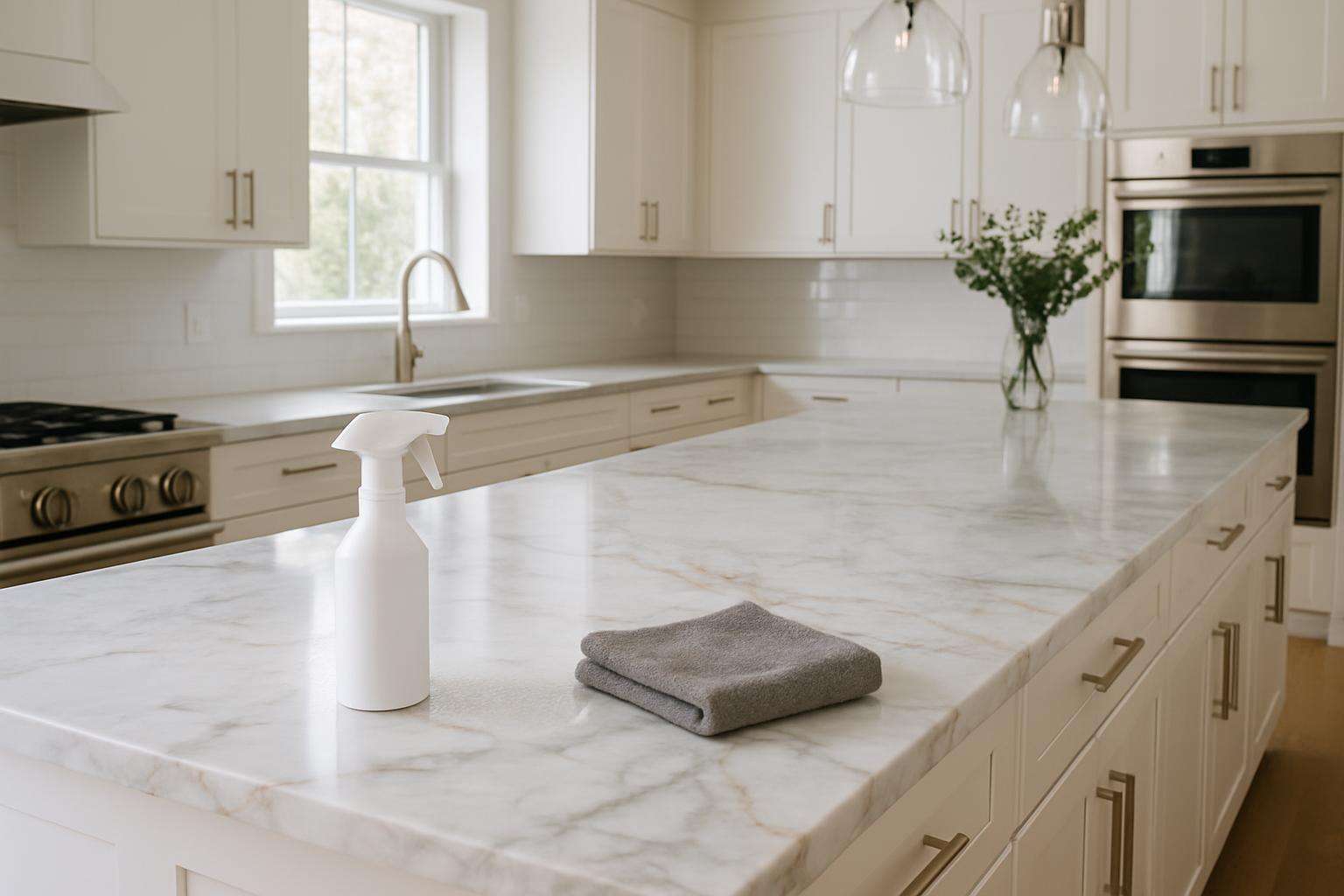
cleaning marble countertops in a bright luxury kitchen

Marble Countertop Cleaning Dos and Don’ts

Marble countertops are a stunning addition to any kitchen or bathroom. With their beautiful veining and luxurious appearance, they add an air of sophistication to any space. However, marble is a natural stone that requires special care and attention to maintain its beauty and durability.

Cleaning marble countertops may seem like a simple task, but using the wrong products or techniques can lead to damage and discoloration. To help you keep your marble countertops looking their best, we’ve compiled a list of essential dos and don’ts.

Do: Use a pH-neutral cleaner
When it comes to cleaning marble countertops, it’s crucial to use a pH-neutral cleaner specifically formulated for natural stone. pH-neutral cleaners are gentle and won’t degrade the natural shine or color of the marble. Avoid using harsh chemicals or abrasive cleaners, as they can etch the surface of the marble and dull its luster.

Don’t: Use vinegar or citrus-based cleaners
While vinegar and citrus-based cleaners are popular for cleaning many surfaces, they should never be used on marble countertops. The acidity in these cleaners can cause etching and permanent damage to the marble. It’s best to stick to pH-neutral cleaners or mild soap and water for routine cleaning.

Do: Wipe up spills immediately
Marble is a porous material, which means it can absorb liquids quickly and easily. To prevent stains, it’s essential to wipe up spills as soon as they occur. Use a soft, absorbent cloth or paper towel to blot the spill gently. Avoid rubbing, as this can spread the liquid and potentially push it deeper into the marble.

Don’t: Use abrasive scrubbing pads
When cleaning your marble countertops, avoid using abrasive scrubbing pads or steel wool. These can scratch the surface of the marble, leaving visible markings. Instead, opt for a soft microfiber cloth or a non-abrasive sponge for gentle cleaning.

Do: Seal your marble countertops regularly
Sealing your marble countertops is an essential step in their maintenance. A high-quality marble sealer creates a protective barrier that helps prevent stains and etching. It’s recommended to seal your countertops every 6-12 months or as directed by the manufacturer. Be sure to choose a sealer that is specifically designed for use on marble.

Don’t: Use acidic or abrasive substances for stain removal
If you encounter a stubborn stain on your marble countertops, it’s important not to use acidic or abrasive substances for removal. These substances can cause further damage to the marble. Instead, try creating a poultice using a mixture of baking soda and water. Apply the poultice to the stain, cover it with plastic wrap, and allow it to sit overnight. The next day, gently remove the poultice and rinse the area with water.

Do: Use coasters under glasses and hot pads under hot objects
Prevention is key when it comes to maintaining your marble countertops. To avoid potential damage, use coasters under glasses, especially those containing acidic beverages like wine or citrus juices. Additionally, always use hot pads or trivets under hot objects to prevent thermal shock that can cause cracks or discoloration in the marble.

Don’t: Allow standing water on the countertop
Avoid leaving standing water on your marble countertops for extended periods. Excess moisture can potentially seep into the pores of the marble and cause stains or damage over time. Always ensure the surface is dry after cleaning or wiping up spills.

By following these marble countertop cleaning dos and don’ts, you can maintain the beauty and longevity of your investment. Remember, marble is a natural stone, and proper care is essential to preserve its elegance for years to come. If in doubt, consult with a professional stone fabricator or cleaner for expert advice specific to your marble countertops.

Homeowners in Columbus and Central Ohio often choose marble countertops for their timeless beauty, and proper care helps them stay stunning for years.


Written by Impact Countertops · Categorized: Countertop Design Ideas, Marble Countertops

Get your free quote now!

Fill out this form below and we’ll get back to you shortly.

"*" indicates required fields

This field is for validation purposes and should be left unchanged.
Name*
Drop files here or
Max. file size: 512 MB.

    Service Areas

    Columbus, OH
    Upper Arlington
    Dublin, OH
    New Albany, OH
    Bexley, OH
    Grove City, OH
    Facebook-f Instagram Envelope

    Get In Touch

    Meet Us

    664 N Hague Ave. Unit A Columbus, OH 43204

    Call Us

    (614) 801-1161

    Email Us

    info@impactfandc.com

    At Impact Countertops, we're passionate about crafting exceptional stone surfaces that elevate your space. Our story is rooted in experience and a commitment to quality that spans generations.
    Founded over 11 years ago, our dedication to quality and craftsmanship has propelled us to the forefront of the Columbus stone industry.

    Useful Links

    Menu
    • About Us
    • Gallery
    • Suppliers
    • Process
    • Blog
    • Contact Us

    Materials

    Menu
    • Granite
    • Quartz
    • Marble
    • Quartzite
    • Porcelain
    • Soapstone
    Request a Quote
    Call Us Today!
    Facebook-f Instagram Envelope
    © 2024 Impact Flooring and Countertops. All Rights Reserved | Privacy Policy | Accessibility Statement | Accessibility Toolbar