Stone Care · Columbus, Ohio
Countertop Care Guides
Marble. Granite. Quartzite. Quartz. Dolomite. Soapstone.

Marble Care
We always recommend a honed finish on marble, especially in kitchens. Marble naturally etches over time with acid contact — wine, coffee, citrus, vinegar. On a polished marble, every etch shows. On a honed marble, etching blends into the matte surface and is far less visible.
Daily Cleaning
Wipe down marble countertops daily with a soft, damp cloth and warm water. For tougher messes, use a mild pH-neutral soap formulated for natural stone, or warm water with a few drops of gentle dish soap. Blot up spills with a clean, soft cloth immediately to prevent them from penetrating the stone. Never use vinegar, lemon juice, bleach, ammonia, or any abrasive cleaner.
Sealing
Marble should be sealed at installation and resealed every 6 to 12 months depending on use and the specific marble. To test if it is time to reseal, splash a few drops of water on the surface. If it beads up, the seal is fine. If it absorbs into the stone, it is time to reseal. Use an impregnating or penetrating sealer — these soak in and protect from within. Topical sealers are not recommended on marble.
Protecting the Surface
Use coasters under drinks and cutting boards under any food prep. Place hot pans on trivets or hot pads. Lift items across the counter rather than dragging them — fine particles caught underneath an object will scratch even hard stone.
Dealing With Stains
Act quickly on spills like coffee, wine, or oil. Blot, do not wipe. For stubborn stains, a baking-soda-and-water poultice or a specialized marble cleaning poultice can draw the stain out over 24 to 48 hours. For severe stains or visible etching, reach out to the experts at MarbleLife for restoration.
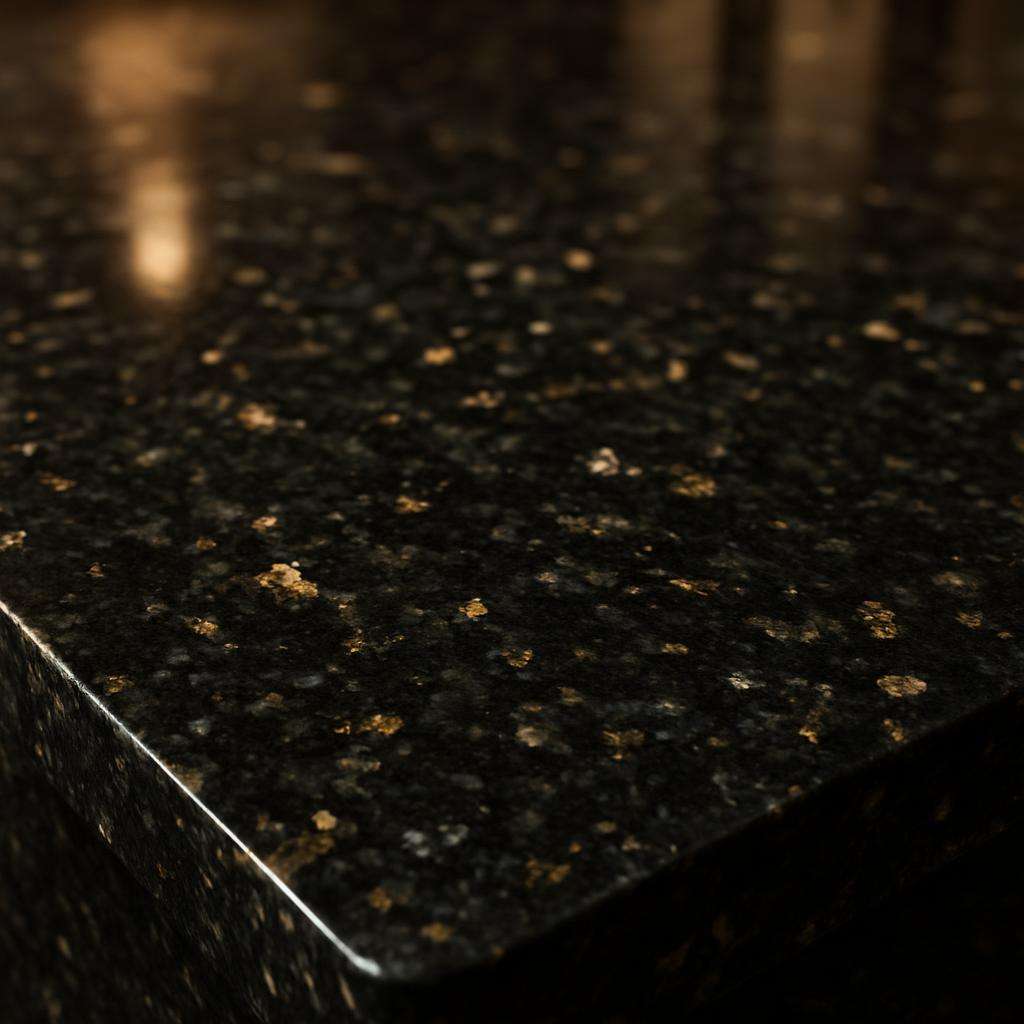
Granite Care
Daily Cleaning
Wipe up spills immediately to prevent staining — acidic substances like lemon juice or wine are the most common culprits. For everyday cleaning, use a soft cloth or sponge with warm water and a mild dish soap (avoid citrus or acidic formulations). Dry thoroughly with a clean cloth to prevent water spots.
Deep Cleaning
For a more thorough cleaning, use a granite cleaner formulated specifically for stone surfaces. Granite Gold Daily Cleaner and Miracle Sealants Counter Kleen are what we recommend to our Columbus clients. Avoid bleach, ammonia, and abrasive cleaners — they damage the sealant and dull the finish over time. Stuck-on residue can be lifted with a razor blade held at a 45-degree angle.
Sealing
Granite is porous and requires sealing. Most granites should be resealed every one to three years depending on use. To test, splash a few drops of water on the surface — if it beads up, the seal is good. If it absorbs, it is time to reseal. Use an impregnating or penetrating sealer; topical sealers are not recommended.
Protecting the Surface
Use coasters under glasses and trivets under hot pots and pans. Trays or baskets under items that might spill (like oil bottles) save a stain before it happens. Granite is hard but not invincible — dropped cast iron can chip an edge.
Dealing With Stains
For minor surface scratches, a granite polish powder applied with a soft cloth can buff out the mark. For deep stains, a poultice may pull the stain out. For a crack or chip, contact our shop for professional repair.

Quartzite Care
Quartzite is the toughest natural stone in your kitchen — harder than granite, with marble looks. It tolerates almost anything, but still deserves respect.
Daily care: Wipe with warm water and a soft microfiber. A pH-neutral stone-safe cleaner (Method Daily Granite or similar) works for weekly cleans. Skip vinegar, lemon, and ammonia — habit matters more than what the stone can handle.
Spills & stains: Quartzite resists staining better than any other natural stone. Wine, coffee, citrus, tomato — they all wipe up. For deep oil-based stains, use a baking-soda poultice under plastic wrap overnight.
Sealing: We seal every quartzite install at our shop with a premium impregnating sealer. Reseal every 18-24 months. Water-drop test: if it beads, you’re good. If it darkens the stone, reseal.
What to avoid: Cutting directly on the surface (it’s harder than your knives), abrasive scouring pads, and standing water around the sink.
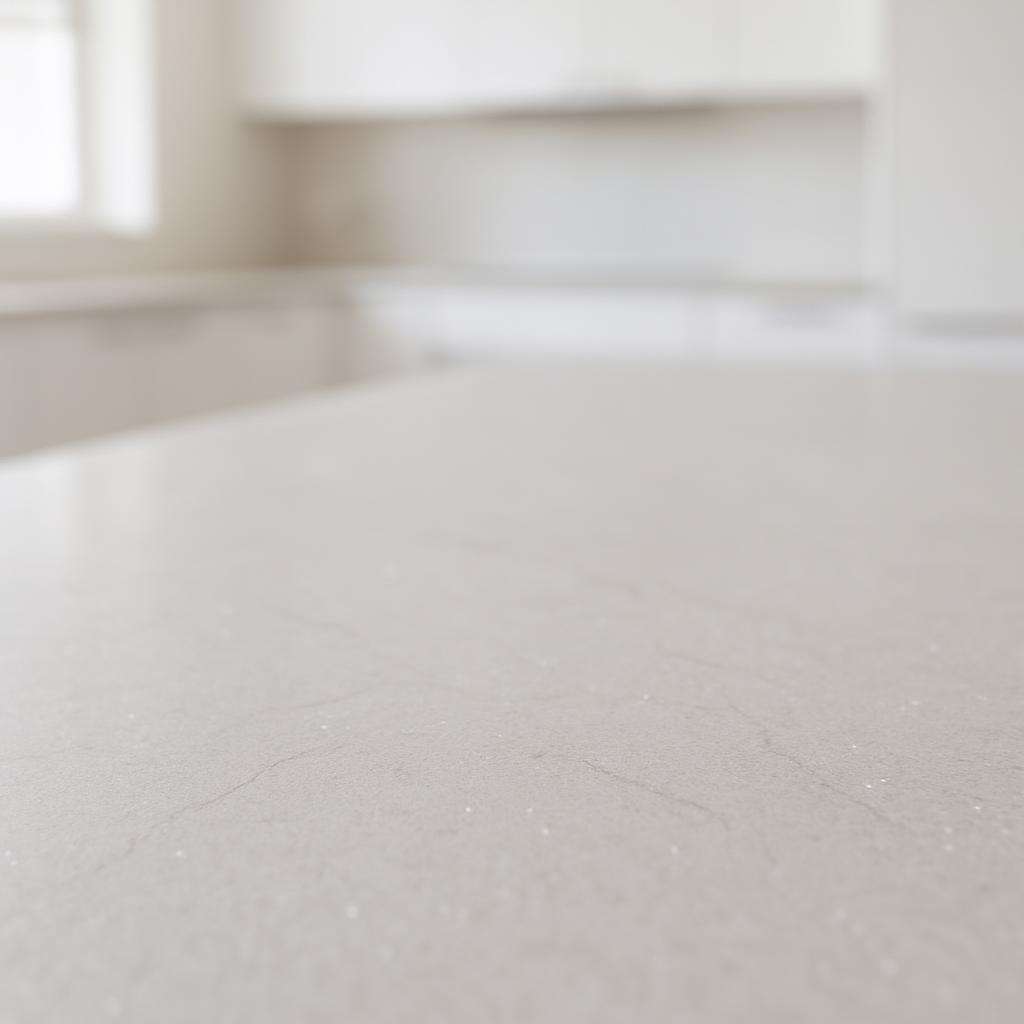
Quartz Care
Daily Cleaning
Clean up spills promptly, especially wine, coffee, and citrus. For daily cleaning, a damp microfiber cloth with a small amount of mild dish soap or a pH-neutral stone cleaner is ideal. Rinse with clean water to remove soap residue, then dry with a clean cloth. Never use abrasive cleaners, scouring pads, bleach, ammonia, or acidic cleaners.
Sealing
Quartzite should be sealed at least annually. It is more porous than many people assume, and a fresh seal is the difference between a wiped-away spill and a stain that needs a poultice. Use an impregnating sealer — it penetrates the stone and provides longer-lasting protection. If water no longer beads on the surface, it is time to reseal.
Protecting the Surface
Use coasters under drinks and trivets under hot dishes. Always cut on a board — quartzite will dull a knife blade and a knife will not scratch the stone, but the friction can wear the seal in that spot. Lift items rather than dragging them.
Dealing With Stains and Etching
For minor stains, try a baking-soda-and-water poultice. For deeper stains or visible etching, the experts at MarbleLife — they can hone or polish the affected area and reseal.

Dolomite Care
Dolomite sits between marble and quartzite — softer than quartzite, harder than marble. It needs marble-grade care plus an extra step of attention around acids.
Daily care: Wipe with warm water and a soft microfiber. Stone-safe pH-neutral cleaners (Method Daily Granite or similar) are fine for weekly cleans. No vinegar, no citrus, no bleach, no scouring powders.
Spills & stains: Blot — never wipe — anything acidic (wine, citrus, tomato, coffee). Oil-based spills lift with a baking-soda poultice left 12-24 hours under plastic wrap. Wine and tea stains usually lift with hydrogen peroxide poultice.
Sealing: We seal every dolomite install with a premium impregnating sealer at the shop. Reseal annually using a water-drop test — if water beads on the surface, you’re good. If it darkens the stone, time to reseal.
What to avoid: Hot pans direct from the stove (use trivets), standing water around the sink, cutting on the surface, and any cleaner not specifically rated for natural stone. Etching from acid contact is irreversible — but it can be honed out by the experts at MarbleLife.

Soapstone Care
Cleaning
Soapstone is naturally non-porous, which makes it inherently resistant to stains and spills. For daily cleaning, wipe down surfaces with a soft cloth or sponge and a mild soap-and-water solution. Avoid harsh, abrasive, or strongly acidic cleaners. A mild bleach solution is safe on soapstone if you need to disinfect — soapstone is the one stone that handles diluted bleach. Rinse thoroughly to remove residue and air dry or wipe with a soft cloth.
Oiling
Oiling soapstone is optional. It is purely aesthetic — soapstone darkens over time naturally from oxidation and oils transferred during cooking. If you want a uniform dark finish from day one, apply mineral oil with a clean rag. In the first month, oil weekly. After that, monthly or even less often is enough. Areas around the sink and where water frequently sits may need more frequent oiling to keep the color uniform.
Addressing Scratches and Damage
Minor scratches buff out easily with fine-grit sandpaper or a Scotch-Brite pad. For deeper scratches, sand with progressively finer grits — 100, then 220, then 400. After sanding, reapply mineral oil to restore the darkened color in that area. For significant damage, contact our shop.
Things to Avoid
Avoid prolonged exposure to extreme heat, especially on freshly oiled soapstone — heat can cause uneven darkening. Wipe up mineral-heavy water (around sinks) promptly to prevent deposits.
Cleaning · Pre-Tested
Recommended Cleaning Products
Stone-safe (use any time): Method Daily Granite, Granite Gold Daily Cleaner, StoneTech Revitalizer, plain water + microfiber.
Use with care (occasional only): Dish soap diluted in warm water. Hydrogen peroxide for stain poultices on white stones only.
Never use: Vinegar, lemon juice, bleach, ammonia, Windex, Magic Eraser, Comet, or any acidic/abrasive cleaner. These etch, dull, or strip seal.
Stone Restoration · Columbus
When to Call a Professional
For deep restoration work — etch removal, severe staining, re-honing a marble or limestone surface, or major sealing failures — we refer our clients to the regional experts.
Marble Life Columbus handles stone restoration as their core business. Honing, polishing, deep cleaning, and severe-damage repair. They’re the right call when a counter needs more than a homeowner can do.
Of course, if you’re not sure what you’re looking at — just call us. We’ll take a look at a photo and tell you whether it’s a quick fix or a Marble Life situation.
Frequently Asked
Stone Care FAQ
How often should I seal my marble countertop?
Annually for most kitchens. Use the water-drop test: drip water on the surface — if it beads, your seal is intact. If it darkens the stone, time to reseal.
Can I use vinegar to clean my stone counters?
Never on marble, dolomite, or limestone — vinegar is an acid and will etch them. Quartzite, granite, and quartz tolerate it occasionally but we still recommend pH-neutral stone-safe cleaners only.
What’s the difference between a stain and an etch mark?
A stain is in the stone (a darker mark from absorbed liquid). An etch mark is on the stone (a dull spot from acid eating the surface). Stains can be poulticed out. Etches require professional honing.
Can I cut directly on my countertop?
Don’t. Quartzite and granite will dull your knives. Marble and dolomite will scratch. Quartz can scuff. Use a wood or composite cutting board every time.
Are quartz countertops really maintenance-free?
Almost. No sealing required, ever. But quartz can scorch from hot pans, and prolonged sun exposure can yellow some resins. Use trivets and keep direct sunlight off long-term.
My soapstone is darkening — is something wrong?
Nope, that’s the patina developing. Soapstone naturally deepens to a richer charcoal over time. Many homeowners speed it up with mineral oil. If you prefer the original lighter tone, just leave it alone.
Question About Your Stone?
We installed it — or someone else did. Either way, we’ll help you keep it looking right.