
Italian Heritage · Columbus, Ohio
Marble Countertops
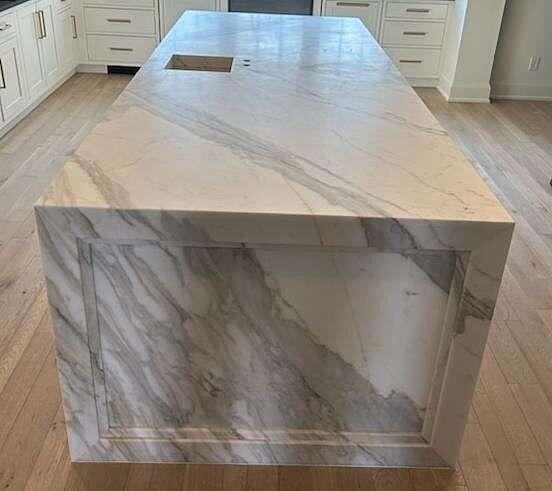
Calacatta. Carrara. Statuario. Borghini. The most enduring luxury surface in the world — fabricated for Columbus, Ohio by a boutique shop using Slabsmith digital templating and Park Industries CNC.
What Is Marble
The Stone That Built Empires
Marble is a metamorphic stone formed when limestone is subjected to extreme heat and pressure over millions of years. The carbonate minerals recrystallize into the dense, translucent crystal structure that gives marble its characteristic luminous depth and signature veining. From the Carrara quarries of Tuscany — the source of Michelangelo’s David — to Calacatta, Statuario, and the great Italian and Greek marble traditions, no other material carries the cultural weight of marble.
At Impact Countertops we fabricate and install premium marble for kitchens, primary bathrooms, fireplace surrounds, vanities, and statement features across Columbus, Ohio. We work with the great Italian marble names — Calacatta, Carrara, Statuario, Borghini — and we are honest with every client about marble’s tradeoffs.
Our Strong Opinion
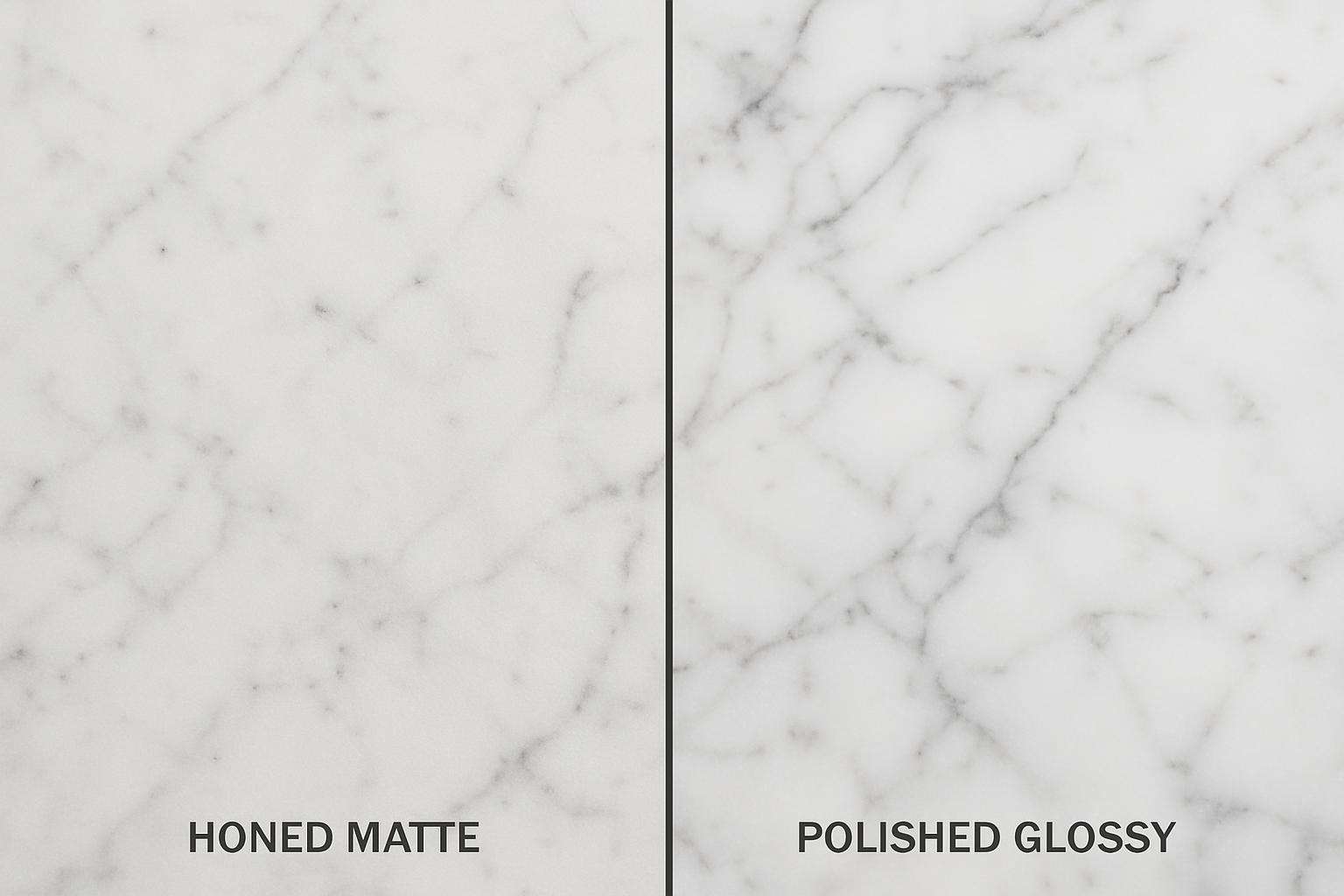
Always Specify a Honed Finish on Kitchen Marble
Polished marble shows every etch. Honed marble — the matte finish — hides etching beautifully and develops a patina rather than a damage map. For any working kitchen, honed marble is the difference between loving your counter in year five and replacing it.
Marble at a Glance
The Specs That Matter
Material
Metamorphic Stone
Recrystallized limestone — calcium carbonate fused under heat and pressure.
Porosity
Highly Porous
Reseal every 6-12 months for stain protection.
Hardness
Mohs 3 – 5
Softer than granite or quartzite. Scratches with care.
Heat
Heat-Tolerant
Natural stone handles hot pans directly.
Acid Sensitivity
Etches
Wine, citrus, vinegar leave etch marks. Specify honed to hide.
UV Stability
Limited
Indoor and covered exterior only. Not for direct sun.
Maintenance
Active
Wipe spills immediately. Reseal twice a year.
Price (Installed)
$100 – $300+ / sq ft
Carrara is the value end; Calacatta, Statuario, exotic up from there.
Marble Countertop Properties
How Marble Performs
Etching, Honestly
The single most important thing to understand about marble: acids etch it. Wine, lemon juice, vinegar, tomato — any acidic liquid left on the surface dissolves a tiny amount of the carbonate and leaves a dull mark. This is not a stain. It is the stone chemically reacting. The fix is a honed finish from day one — etching on honed marble blends into the matte surface and develops as patina rather than damage.
Heat and Hardness
Marble is heat-tolerant — hot pans directly on the surface are fine. It is softer than granite, quartz, or quartzite (Mohs 3-5 vs 6.5-7), which means it will scratch from dragged objects or knife blades over time. Always use cutting boards. Always lift items rather than dragging them.
Sealing and Care
Marble is highly porous and must be sealed at installation and resealed every 6-12 months depending on use. Impregnating or penetrating sealers are the standard — topical sealers are not recommended. Wipe spills immediately, especially anything acidic or pigmented (wine, coffee, oil, beet juice).
Patina, Not Damage
The truth designers know: marble in a working kitchen will develop a patina. Some clients embrace it. The European tradition is that a marble counter with twenty years of soft etching and use marks is more beautiful than a pristine one. If you cannot live with that, specify quartz or quartzite instead.
Strengths
Why Designers Still Specify Marble
- Unmatched visual depth. Light penetrates the crystal structure — no other material has the same luminance.
- Cultural weight. The stone of the Pantheon, the Taj Mahal, Michelangelo’s David.
- Cool surface. Marble stays naturally cool — preferred by serious bakers for pastry and chocolate work.
- Iconic veining. The signature Calacatta and Statuario veining is unmistakable.
- Patina over decades. Lived-in marble has a depth no engineered material reproduces.
- Honed finish solves most etching concerns. Embrace the matte.
- Wide price range. Carrara opens the door; Statuario and Calacatta are the statement tier.
Considerations
Marble Is Not for Every Buyer
- Etching is permanent without restoration. Acidic spills leave dull marks. Polished marble shows them; honed marble hides them.
- Frequent sealing required. Every 6-12 months. The most active care of any premium counter.
- Scratches from dragged objects. Softer than granite or quartzite. Mind your habits.
- Premium pricing. Especially for Calacatta and Statuario varieties.
- Not for outdoor kitchens. Limited UV stability and freeze-thaw vulnerability.
- If you cannot embrace patina, specify quartzite or porcelain for the marble look without the lifestyle.
Trending Now
Hot Marble Colors
Six of the most-specified marble varieties in luxury Columbus homes right now — from refined classics to dramatic, rare-quarry statement stones.
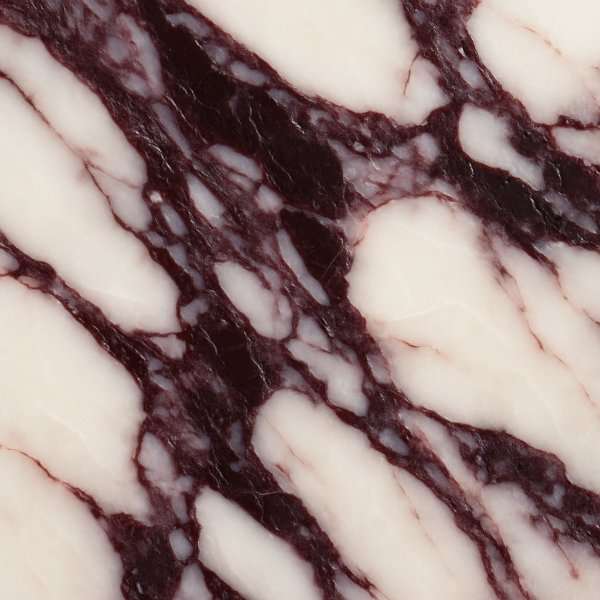
Calacatta Viola
Hottest
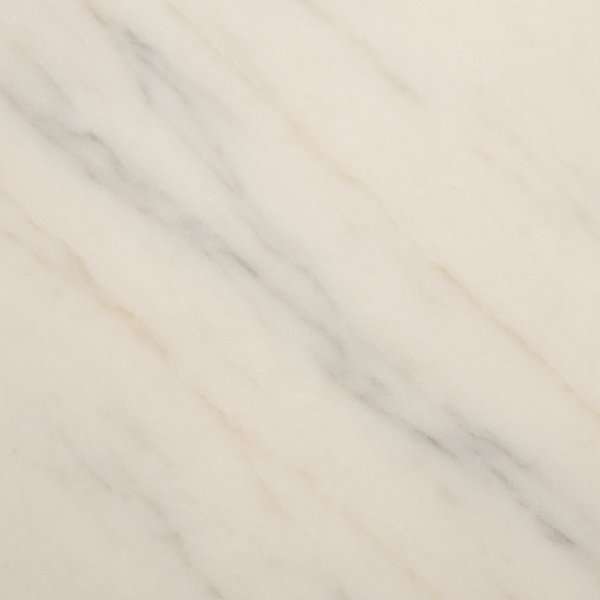
Danby
Vermont Classic
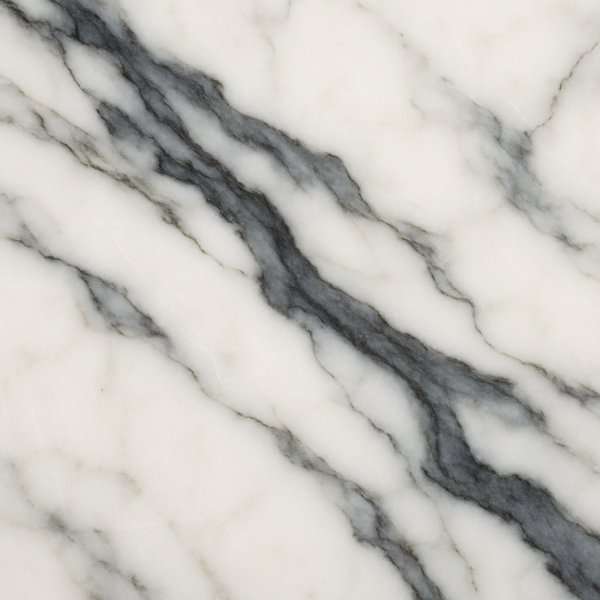
Calacatta Vagli
Dramatic Italian
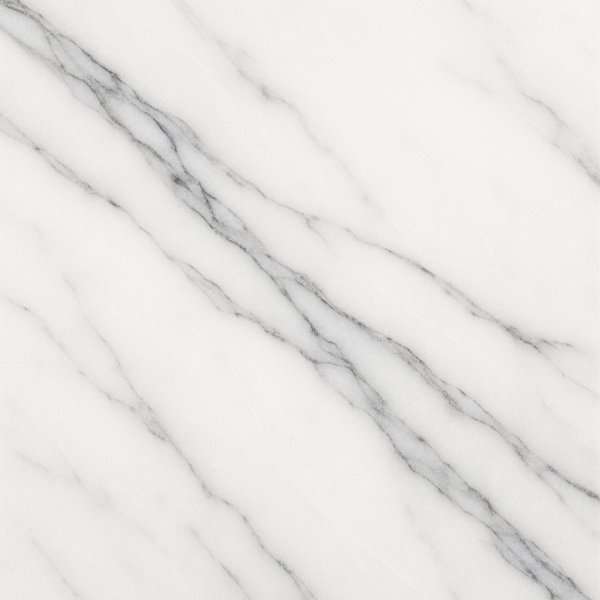
Statuario
Refined Italian
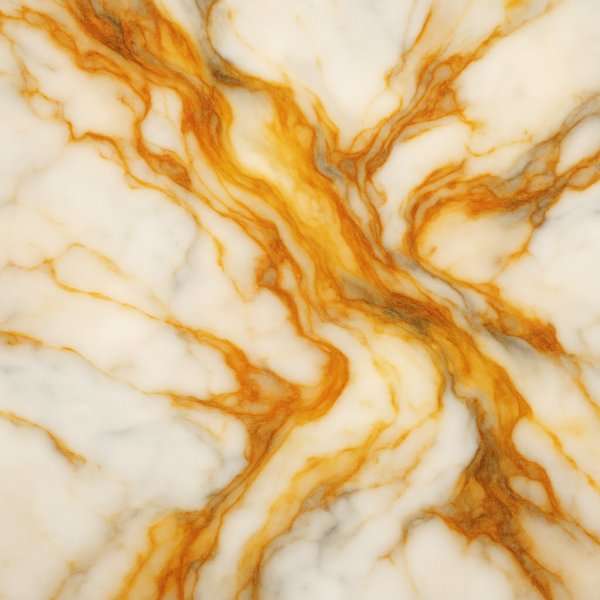
Macchia Vecchia
Rare Quarry
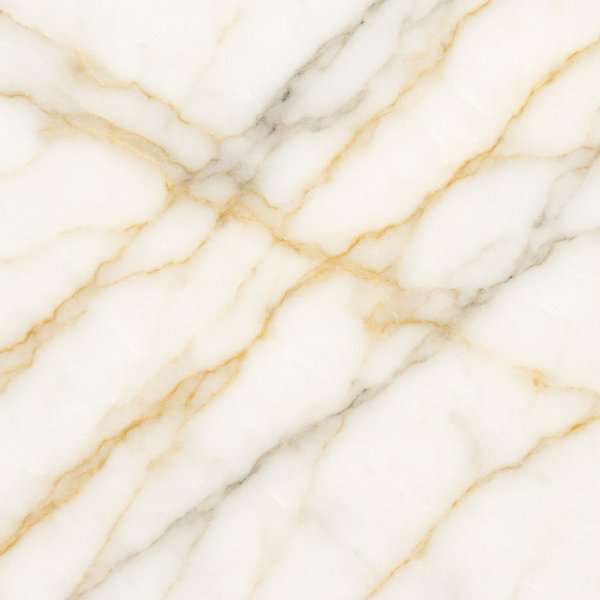
Calacatta Gold
Warm Veining
Where Marble Excels
Best Uses for Marble Countertops
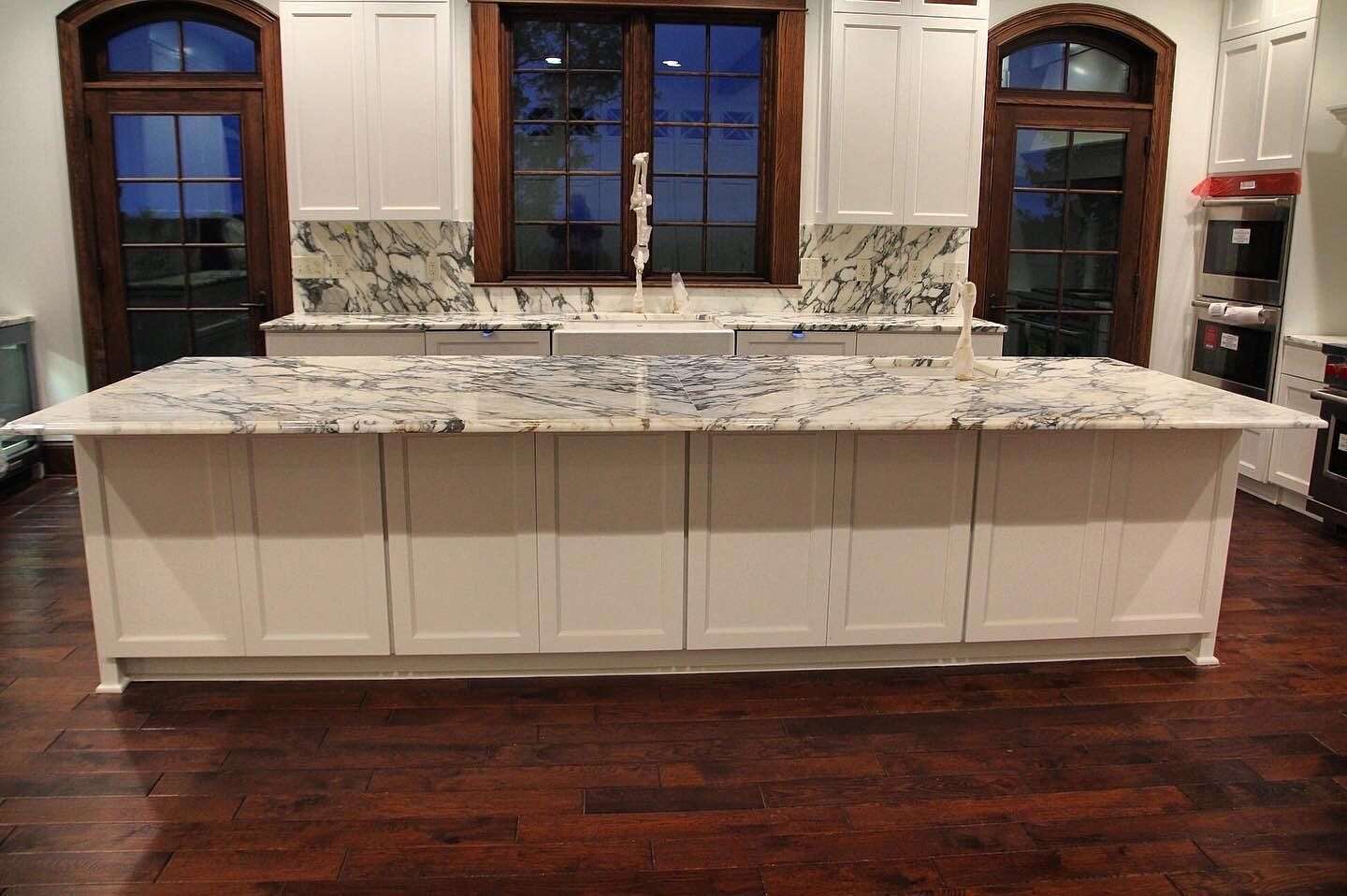
Statement Kitchens
Honed Calacatta or Statuario islands deliver visual drama nothing else matches.
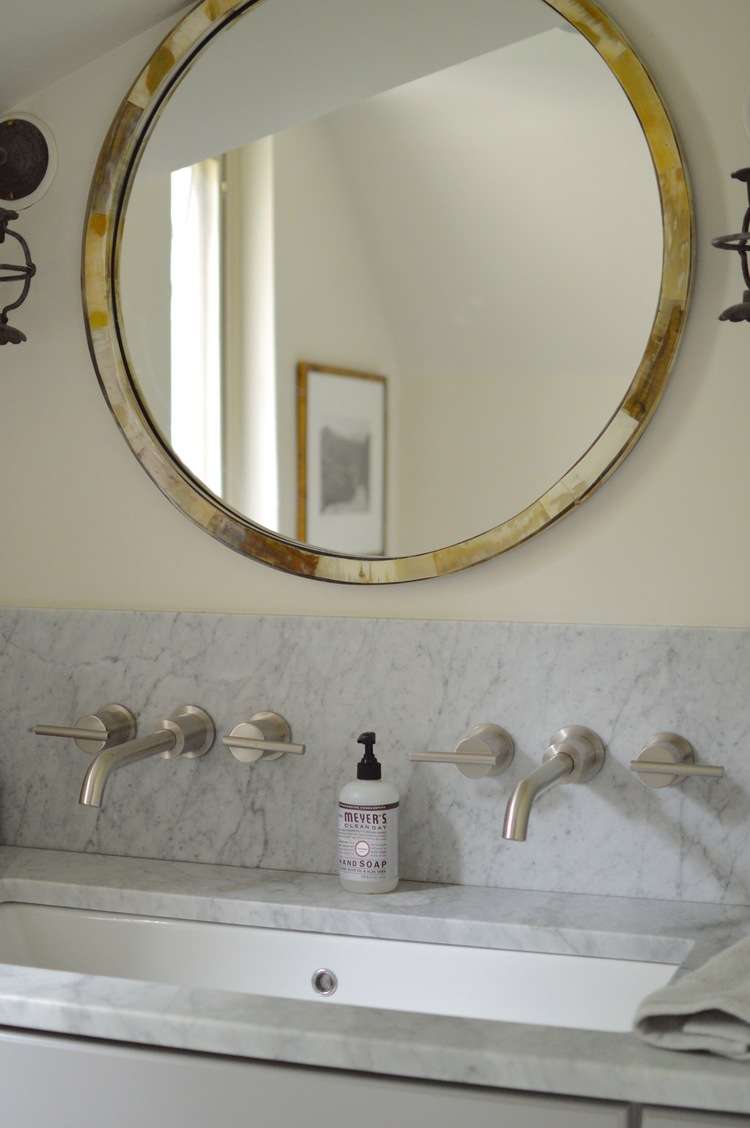
Primary Bathrooms
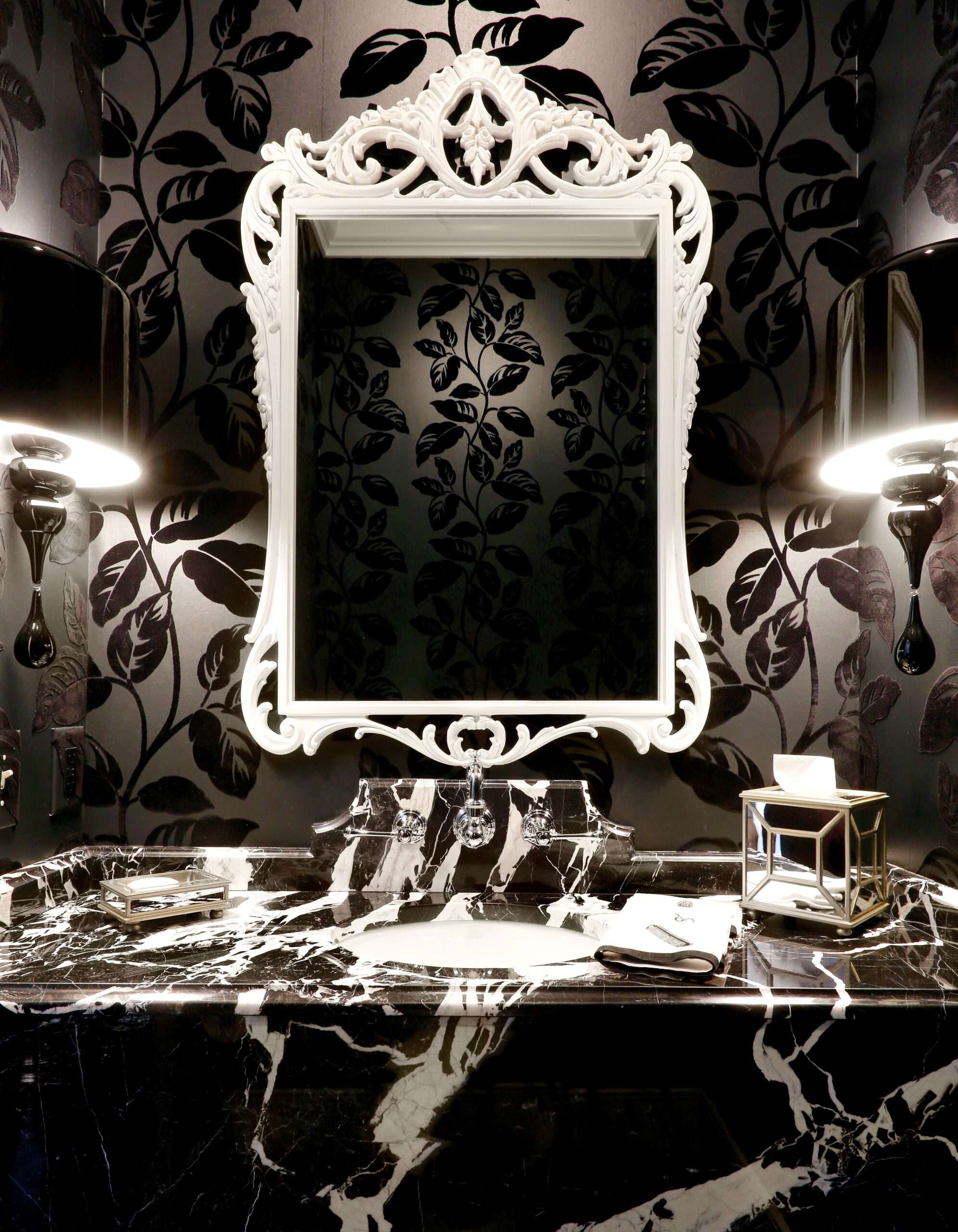
Vanities and tubs see less acid exposure than kitchens — marble’s sweet spot.
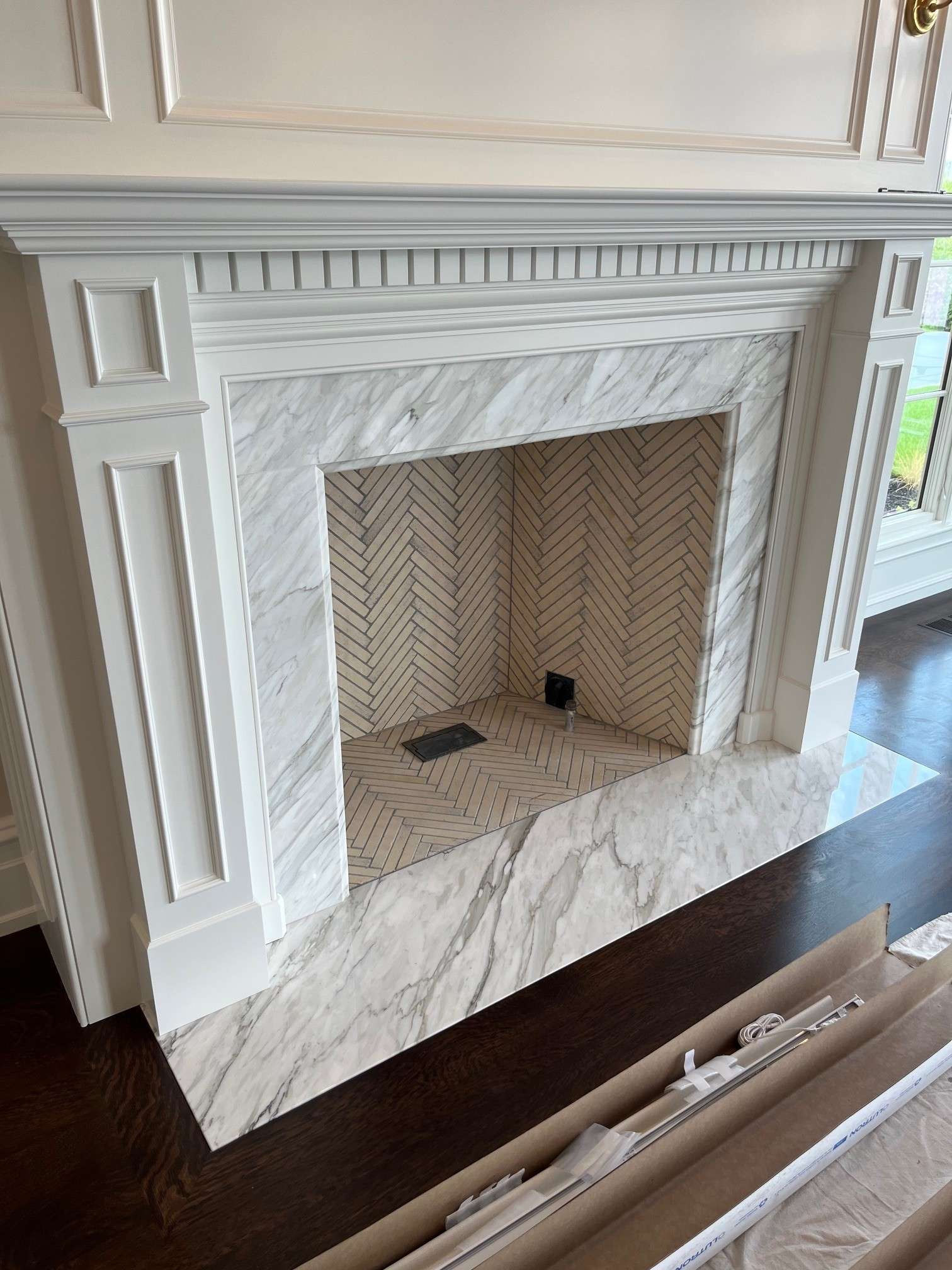
Fireplace Surrounds
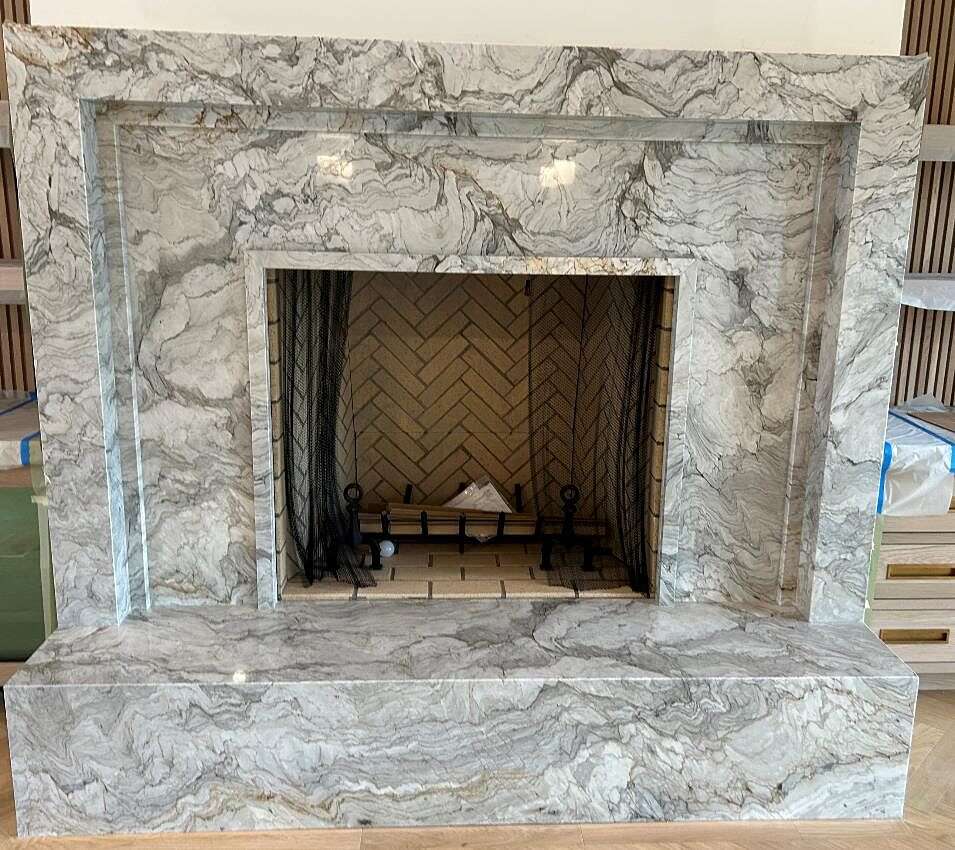
Heat-tolerant, dramatic veining, no acid exposure. Marble’s ideal use case.
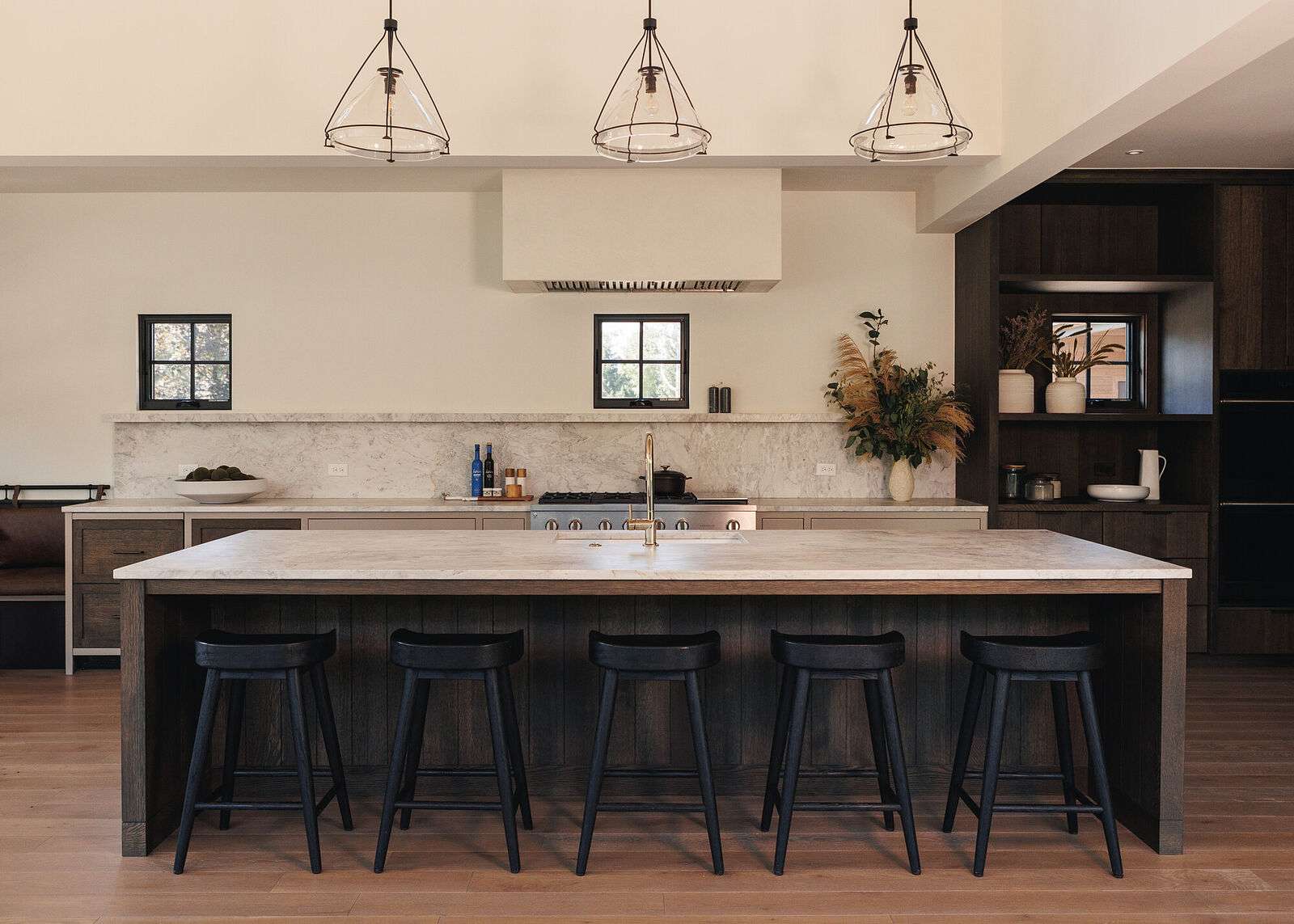
Full-Height Backsplashes
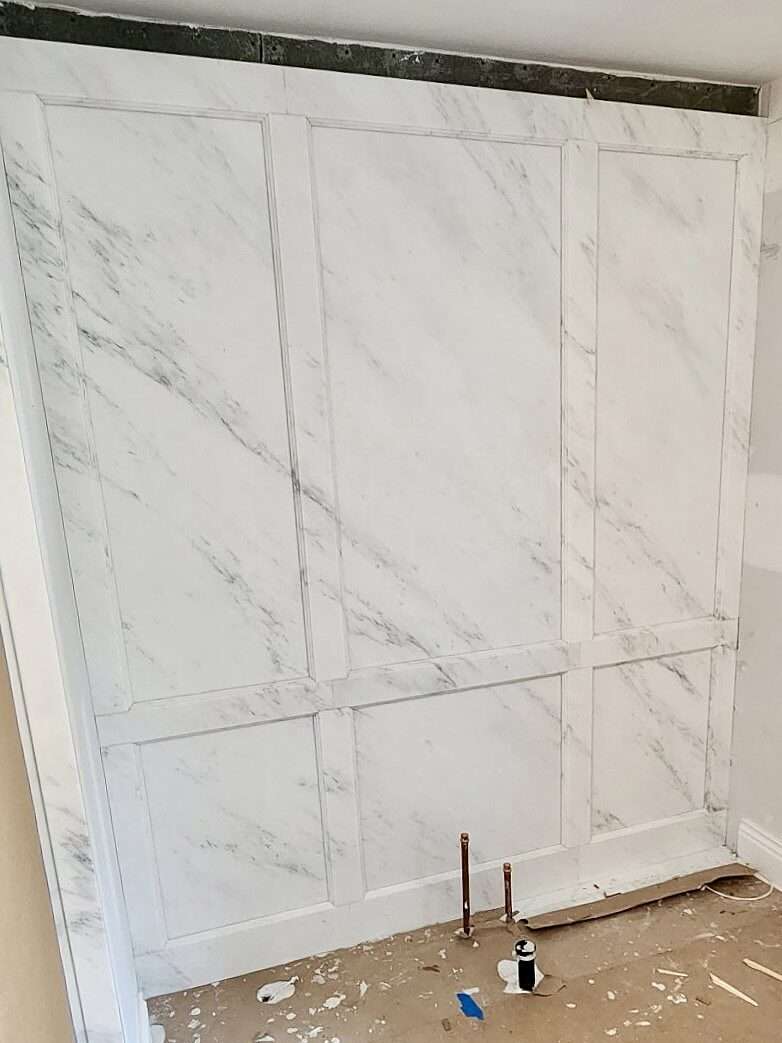
Book-matched marble running floor to ceiling is one of the most dramatic effects in luxury kitchen design.
How They Compare
Marble vs Quartzite vs Quartz vs Granite
Marble wins on visual depth and luminance. It costs in maintenance. Choose with eyes open.
| Material | Hardness | Sealing | Etching | Look | Best For |
|---|---|---|---|---|---|
| Marble | 3-5 | 6-12 mo | Etches | Classic luminance | Baths, fireplaces |
| Quartzite | 7 | Annual | Resistant | Dramatic veining | Statement kitchens |
| Quartz | 7 | Never | Resistant | Uniform | Family kitchens |
| Granite | 6.5 | 1-3 yrs | Resistant | Crystalline | Outdoor + heavy use |
Marble is the most beautiful and the most demanding. Choose accordingly.
Care and Maintenance
Active Care for an Active Beauty
Daily care is mild dish soap and warm water with a soft cloth, or a dedicated stone cleaner like Granite Gold Daily Cleaner or Miracle Sealants Counter Kleen. Reseal every 6-12 months using an impregnating sealer. Wipe acidic spills immediately — wine, citrus, vinegar, tomato sauce. Avoid all bleach, ammonia, and abrasive cleaners.
How We Fabricate Marble
Boutique Marble Fabrication for Discerning Columbus Homeowners
Impact Countertops is a boutique fabricator — not a volume shop. When we fabricate a marble install for Upper Arlington, New Albany, Dublin, or any Central Ohio home, the slab is planned digitally with Slabsmith digital templating before it ever reaches the saw. Vein-matching across seams, book-matched layouts on full-height backsplashes, and precision mitered edges on waterfall islands are all designed slab-by-slab on screen first, so the client sees exactly how the stone will read before a single cut is made.
From there, the layout drives our Park Industries CNC equipment — the precision tooling that lets us run mitered edges, custom radius cuts, and complex stonework on natural marble without the chipping that hand-fabrication risks. Owner Clint Reagle invested in this equipment specifically to do work like our personal Statuary marble bath above — mitered tub surround, vein-matched skirt, herringbone marble floor, all fabricated in-house.
Installation is white-glove. We protect floors and adjacent surfaces, set seams with a tight color-matched epoxy, and walk every project at completion to make sure the install reads the way the slab was selected to read. For Columbus homeowners, designers, and builders who want a marble countertop that looks fabricated — not just cut — this is the level of attention the material deserves.
Why Impact
Marble Is a Conversation, Not a Transaction
Marble fabrication requires more handholding than any other material. We start with an honest conversation: how will you use the counter? Do you cook with acids? Can you embrace patina, or do you want pristine perfection? From there we recommend the right marble variety, the right finish (honed nearly always wins), and we mark up the actual slab at the yard for seam placement, veining flow, and feature alignment.
We source from established Columbus-area suppliers and direct-import Italian partners — Calacatta, Statuario, Carrara, Borghini, Michelangelo, Viola, Arabescato, and exotic book-match pairs on request. We also offer marble restoration for older counters that need honing, polishing, sealing, or stain removal.
Designers and builders across Upper Arlington, Dublin, Powell, New Albany, Bexley, and Worthington bring us their marble projects because we tell them the truth and deliver the craftsmanship to back it up.
Frequently Asked
Marble Countertops FAQ
Should I get honed or polished marble?
For kitchens, always honed. The matte finish hides etching that polished marble shows starkly. For primary bathrooms and fireplaces, polished is fine because acid exposure is minimal. The honed finish is also more contemporary — most current luxury kitchen design specifies honed by default.
Will marble countertops etch?
Yes — anywhere they contact acids (wine, citrus, vinegar, tomato, some cleaners). This is chemical, not staining. Honed marble hides etching; polished marble shows it. If you cannot live with any etching, specify quartzite or porcelain instead.
What is the difference between Calacatta, Carrara, and Statuario?
All three are Italian marbles from different quarries. Carrara is the most abundant — softer gray veining on a cooler white background. Calacatta has bolder, more dramatic gold-to-gray veining on a brighter white. Statuario sits between — clean white with crisp gray veining. Statuario was Michelangelo’s preferred sculpting marble.
How often does marble need to be sealed?
Every 6 to 12 months depending on use. The water-bead test tells you when: if water absorbs into the surface, reseal. Heavier-use kitchens reseal more often than primary baths.
Is marble worth it for a working kitchen?
For clients who embrace patina, absolutely. For clients who want pristine surfaces forever, no — choose quartzite (for the marble look) or quartz (for low maintenance). The honed finish makes marble far more livable in a kitchen than most assume.
Can marble countertops be repaired?
Yes. Etching can be honed out by a professional. Stains can often be lifted with a poultice. Chips can be filled and re-polished. Impact Countertops handles marble restoration for clients in Columbus and Central Ohio.
Can marble be used outdoors in Ohio?
Not recommended. Marble has limited UV stability and is more vulnerable to freeze-thaw than granite or quartzite. For outdoor kitchens, specify granite. For sun-flooded interiors, quartzite is safer.
Does Impact Countertops install marble outside Columbus?
Yes. We serve the greater Columbus area including Upper Arlington, Dublin, Powell, New Albany, Bexley, and Worthington, plus surrounding Central Ohio luxury home markets.
Ready to Begin
Start Your Marble Countertop Project
Visit our showroom, browse Calacatta, Statuario, Carrara, and Borghini at the yard, and get a fixed quote on your kitchen, bath, or fireplace marble project. No-pressure consultations across Columbus and Central Ohio.