
Engineered Stone · Columbus, Ohio
Quartz Countertops
Low-maintenance, hard-working engineered stone — fabricated by a boutique Columbus shop using Slabsmith digital templating and Park Industries CNC.
What Is Quartz
Engineered for the Modern Kitchen
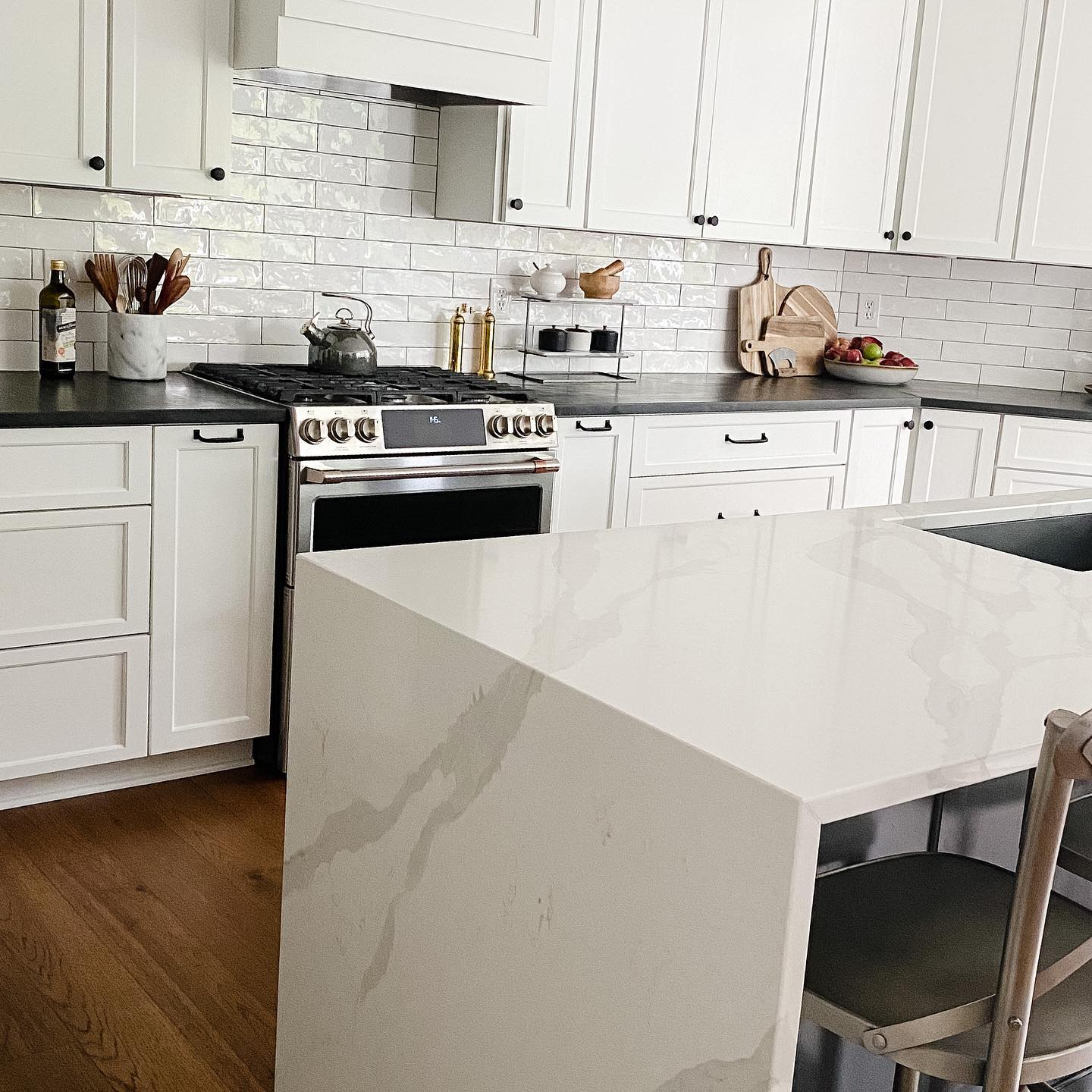
Quartz countertops are engineered stone — roughly 90 to 95 percent crushed natural quartz, bound with polymer resin and color pigment, then pressed and cured into uniform slabs. The result behaves like a modern, low-maintenance material: non-porous, scratch-resistant, sealed for life, and available in colors and patterns natural stone simply cannot produce.
The category was pioneered by Breton in the 1960s and is now produced under brand names including Caesarstone, Silestone, MSI Q, LG Viatera, Wilsonart, and Hanstone. At Impact Countertops, we fabricate and install quartz for kitchens, bathrooms, and commercial spaces across Columbus, Ohio and the surrounding luxury home market.
Quartz at a Glance
The Specs That Matter
Material
Engineered Stone
90-95% natural quartz bound with polymer resin and pigment.
Porosity
Non-Porous
Never needs sealing. Stains do not penetrate.
Hardness
Mohs 7
Harder than granite. Resists everyday scratches.
Heat
Use Trivets
Resin is heat-sensitive. Always use a hot pad.
Stain Resistance
Excellent
Wine, oil, citrus — nothing penetrates.
UV Stability
Limited
Not recommended for outdoor or sun-flooded installs.
Maintenance
Lowest
Mild dish soap and warm water. No sealing, ever.
Price (Installed)
$65 – $150 / sq ft
Tier depends on brand, edge profile, and complexity.
Quartz Countertop Properties
How Quartz Performs
Durability and Hardness
Quartz scores a 7 on the Mohs scale — harder than granite (6.5) and the same as natural quartzite. In practice this means knives, pots, and everyday kitchen use will not scratch the surface. Quartz will not chip from light impacts, though sudden stress like a dropped cast-iron skillet hitting an edge can crack it.
Stain Resistance
Because polymer resin fills every microscopic pore, quartz is genuinely non-porous. Wine, coffee, oil, and citrus sit on the surface and wipe away with a damp cloth. There is no sealer to refresh and no annual maintenance ritual.
Heat Tolerance
This is the one area where natural stone outperforms quartz. The polymer resin can scorch, discolor, or crack with sudden high heat. A pan straight off a burner or out of the oven set directly on the counter is a real risk — always use a trivet or hot pad.
UV Stability and Chemical Resistance
Standard quartz is not recommended for outdoor use or sun-flooded interiors — the resin can yellow over years of direct UV. For cleaning, mild dish soap is the daily routine. Avoid bleach, ammonia, oven cleaner, and strong solvents which can damage the resin binder.
Strengths
Why Designers Specify Quartz
- Zero maintenance. No sealing, ever. No water-bead test, no annual product.
- Stain-resistant. Wine, oil, coffee, citrus — nothing penetrates.
- Hygienic. Non-porous means no bacterial harborage.
- Color and pattern range. Whites that stay white, marble-look without marble maintenance, bold solids natural stone cannot achieve.
- Consistency. What you see in the sample is exactly what shows up on your counter.
- Warrantied. Premium brands carry 15-year to lifetime residential warranties.
- Resale value. Recognized as a premium kitchen surface by buyers and appraisers.
Considerations
Before You Choose Quartz
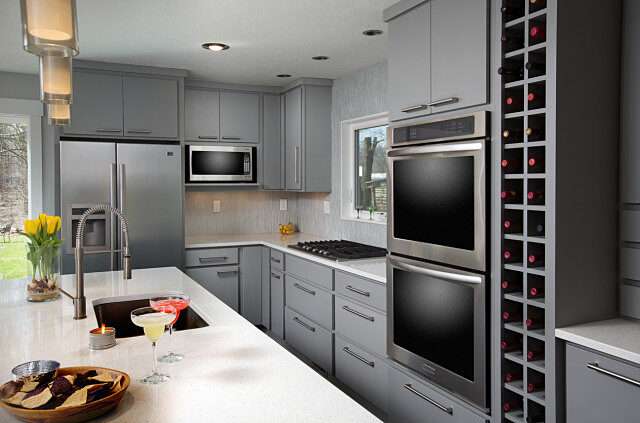
- Heat limit. Always use trivets. If you cook hard and frequently set hot pans down, this is the trade-off.
- Not for outdoors. Direct sun and freeze-thaw cycles can damage standard quartz.
- Edge appearance. Mitered edges show the slab body — quartz reads engineered up close, not geological.
- Permanent stains are rare but possible from highly pigmented dyes or strong solvents.
- Cost has risen. Premium quartz now overlaps with mid-range quartzite pricing.
Brands We Fabricate
Every Major Quartz Brand, Under One Roof
Impact Countertops fabricates quartz from 13 of the most-respected brands in the trade. If your designer has a specific color spec or your inspiration photo lives in a particular brand catalog, the answer is almost always yes.
MontMSIHanStoneViateraSilestoneCaesarstoneValiantEnvyVadaraLGWilsonartOptraRevolux
Where Quartz Excels
Best Uses for Quartz Countertops
Kitchen Countertops
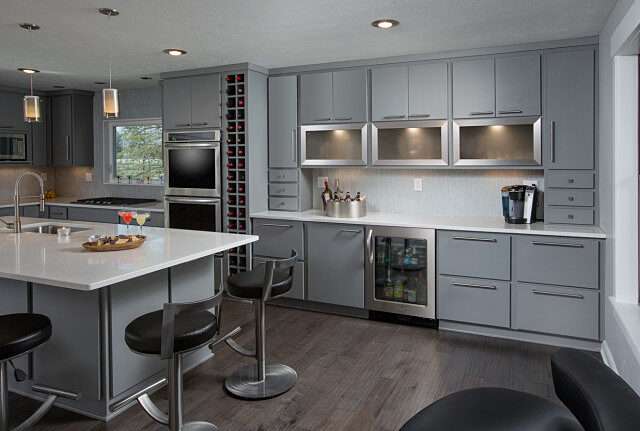
The most-specified premium kitchen counter in North America — low maintenance with luxury aesthetic.
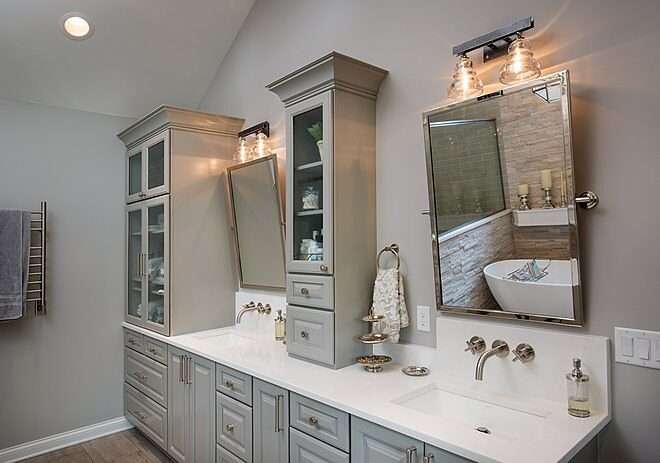
Bathroom Vanities
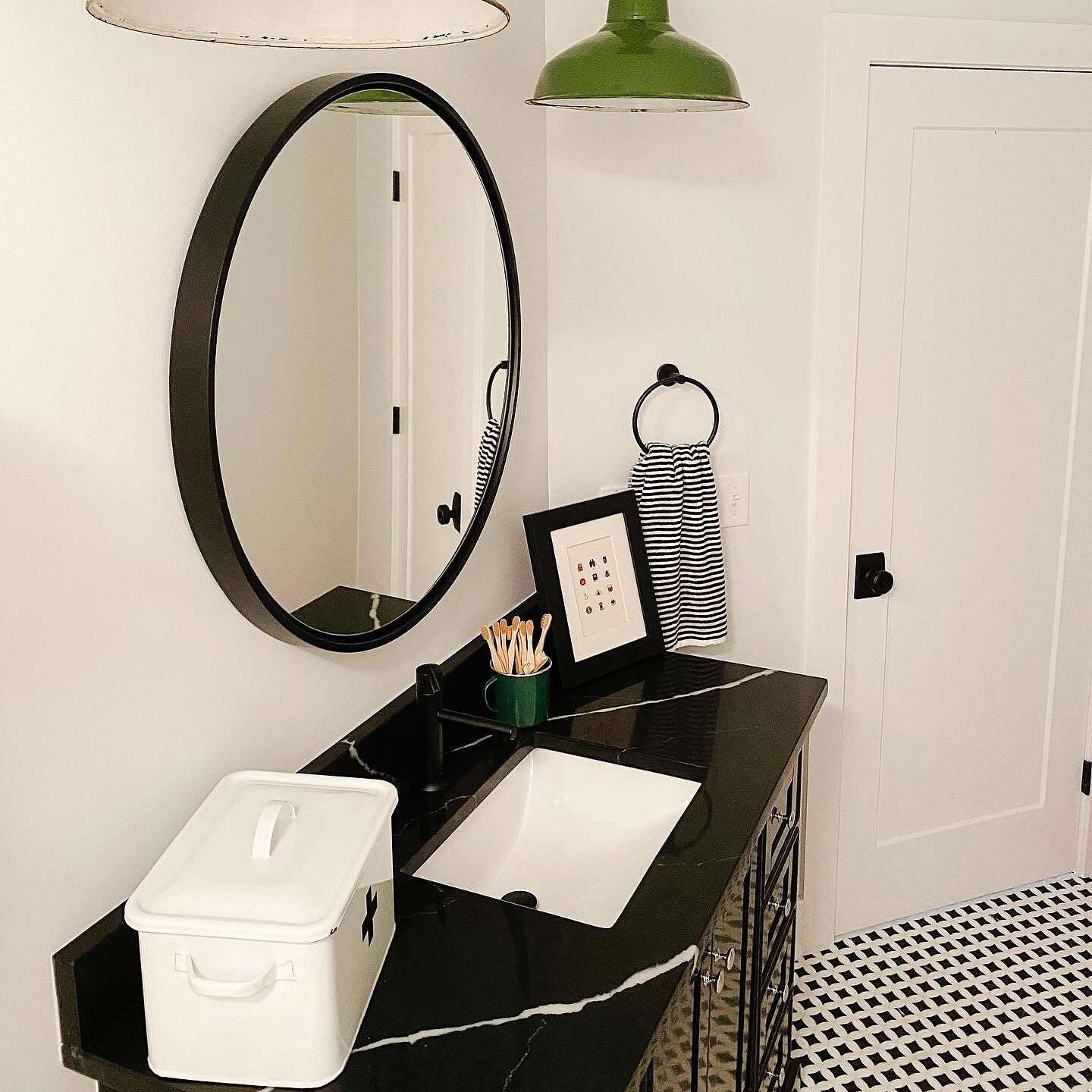
Handles toothpaste, makeup, hairspray, and hard-water deposits without staining.
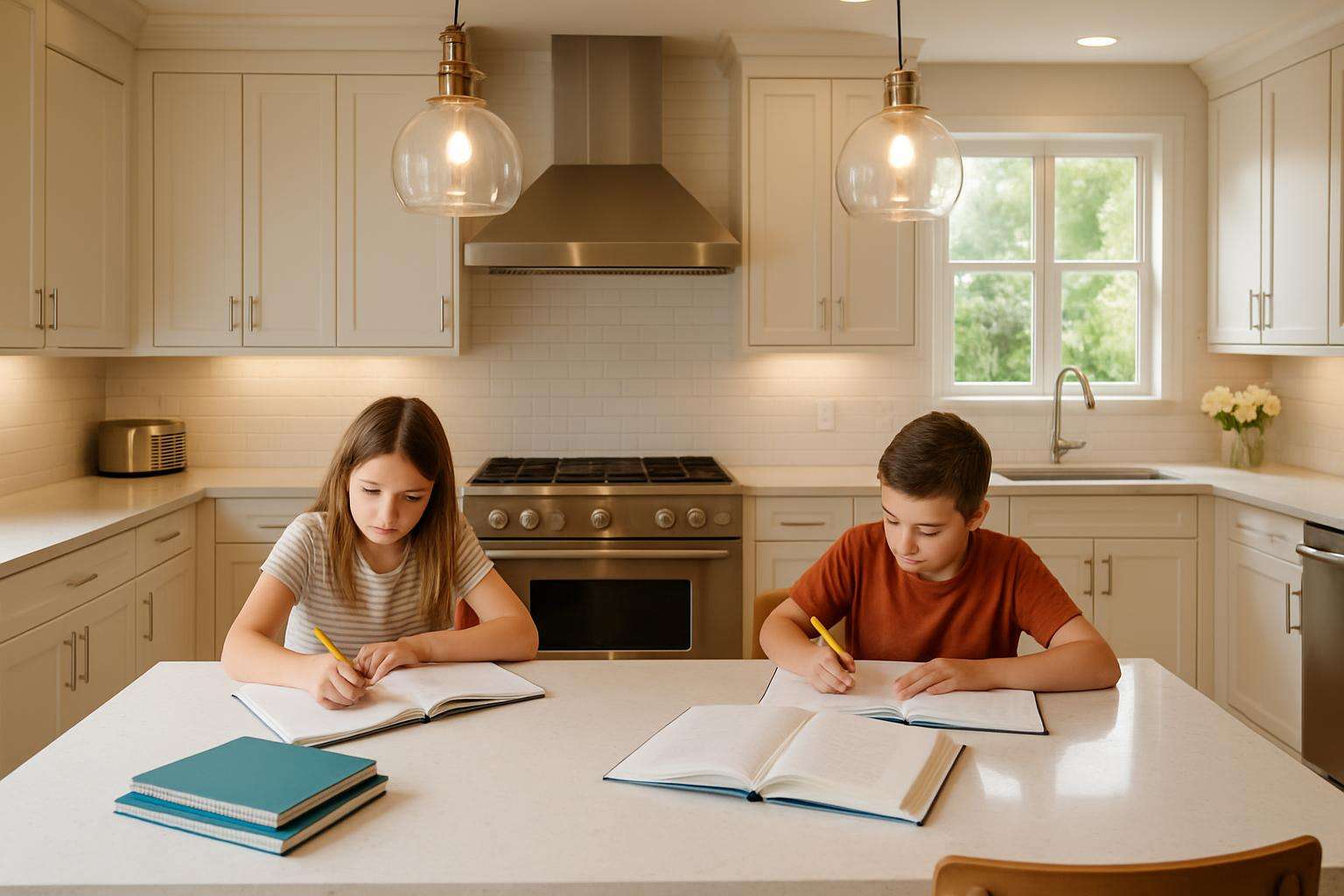
Family Kitchens
Stain-resistant and hygienic — built for households with kids and heavy daily use.
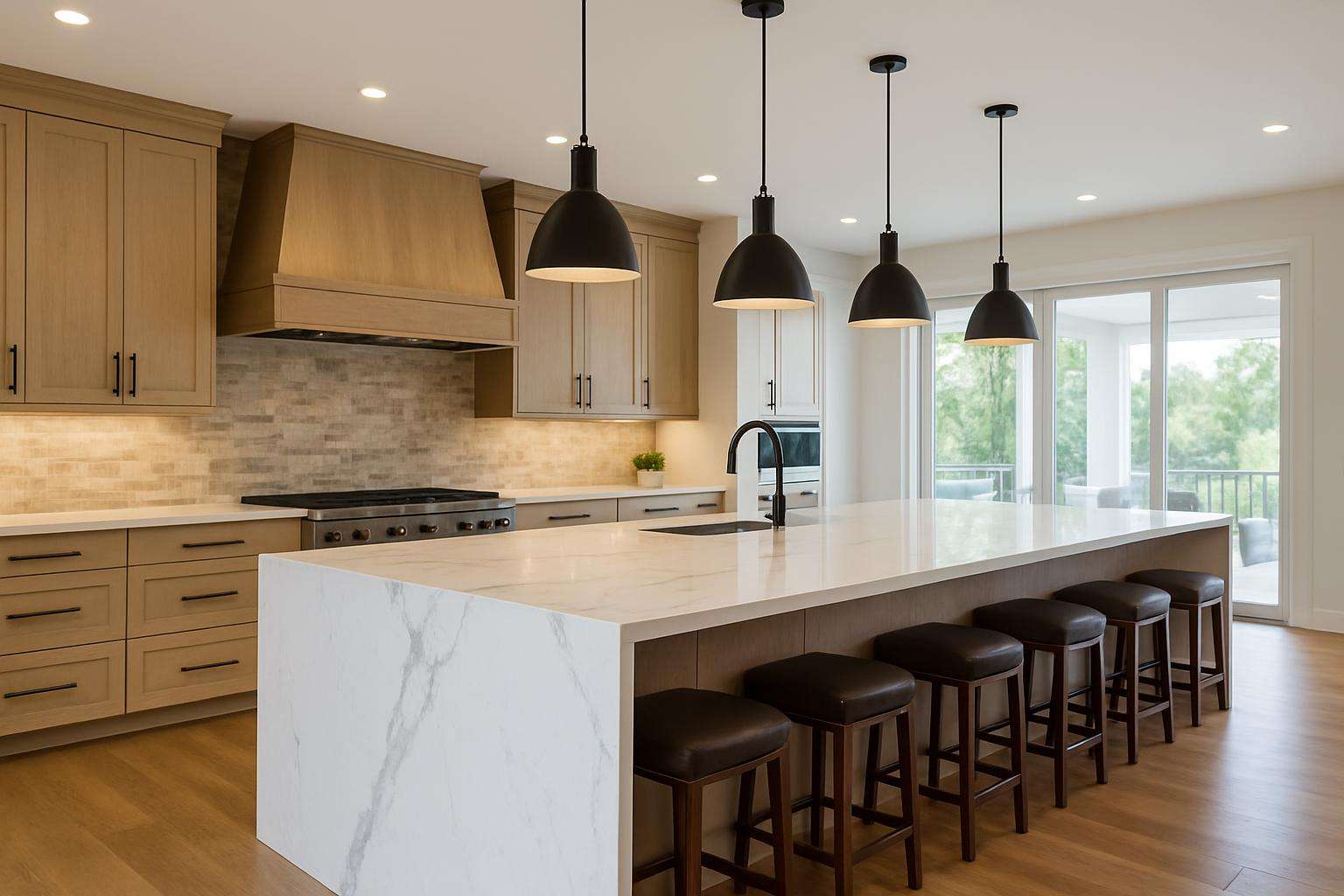
Islands and Waterfalls
Bookmatched veining and mitered waterfall edges make quartz a statement piece.
Trending Now
Hot Quartz Colors
Six of the most-specified marble-look quartz designs in luxury Columbus homes right now — from refined Carrara whispers to bold Calacatta veining.
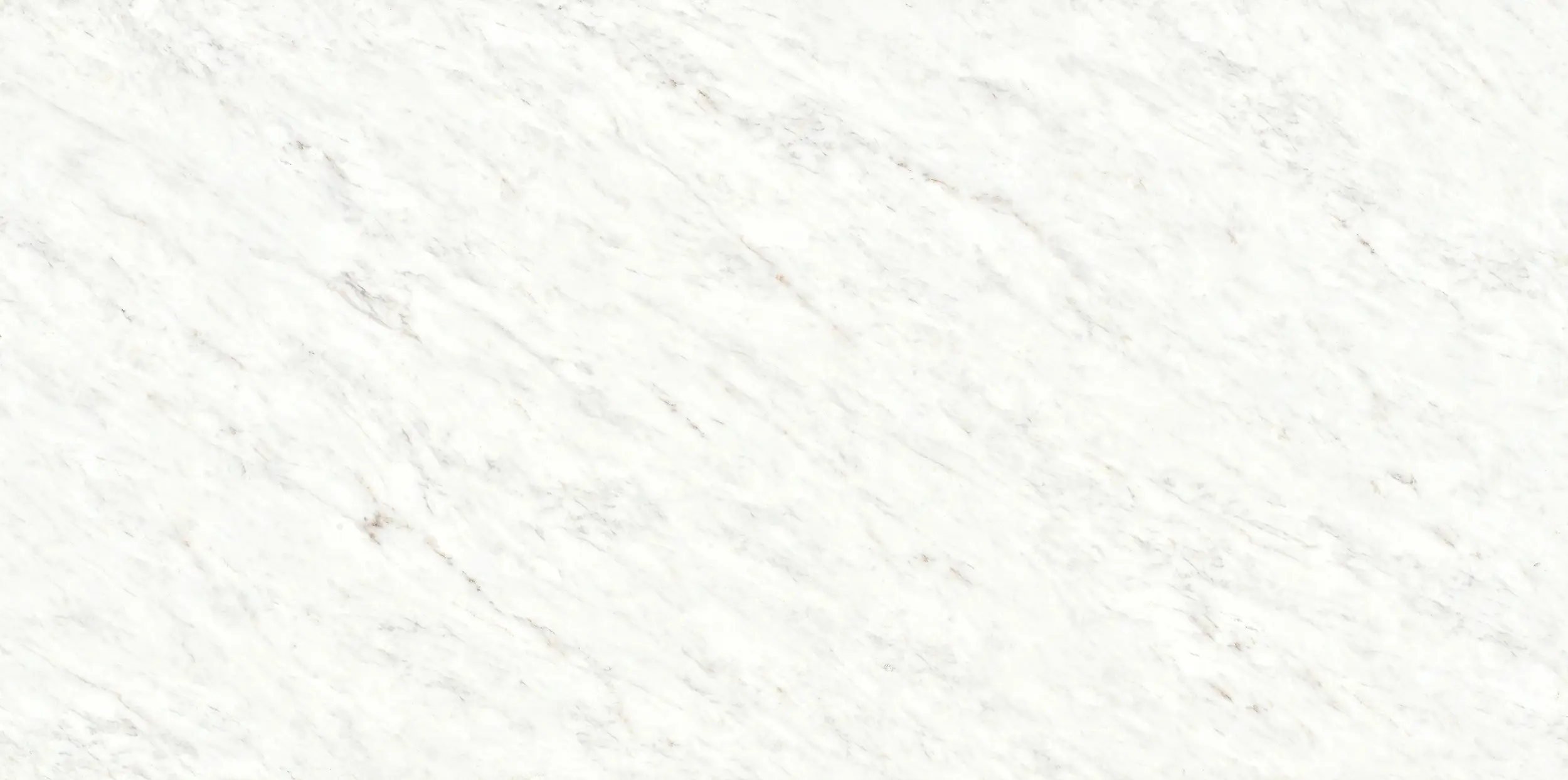
Calacatta Vermont
Revolux
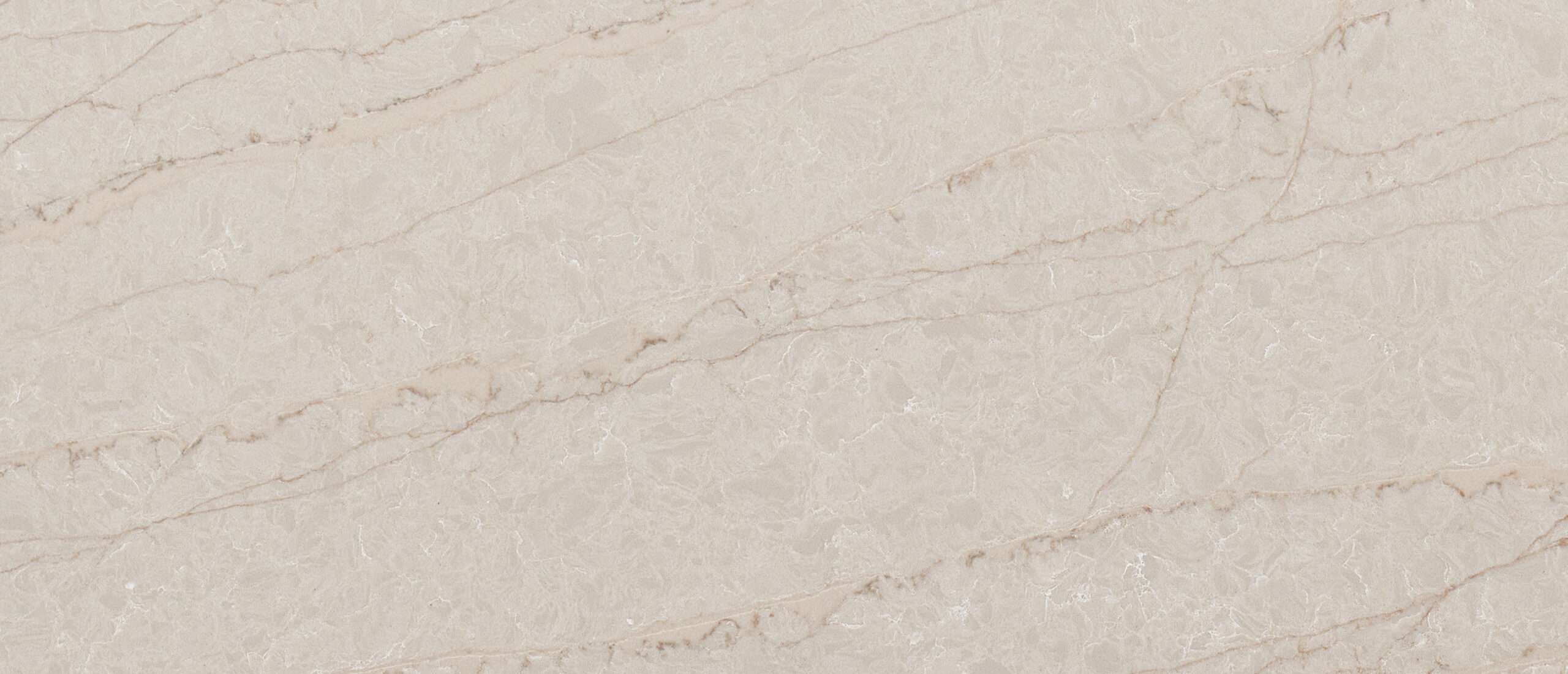
Lumataj
MSI
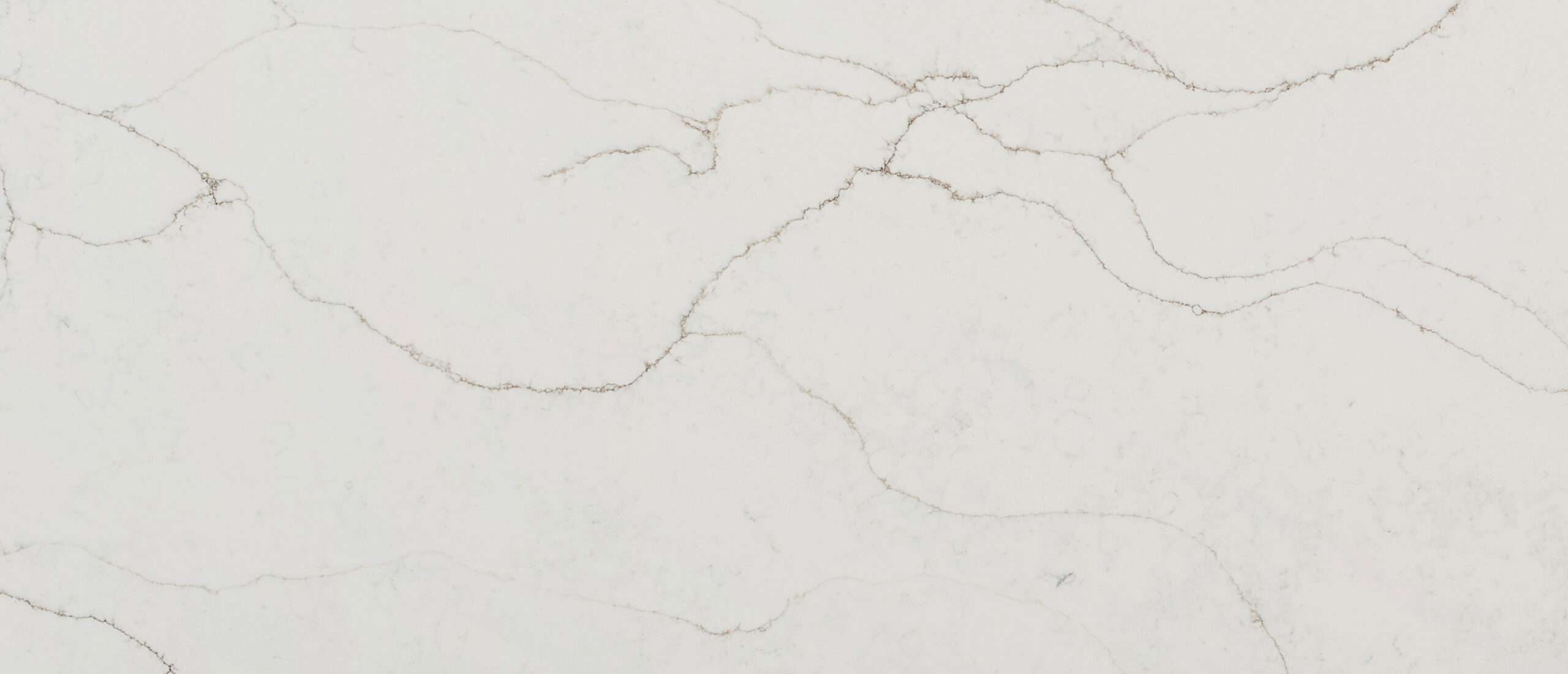
Calacatta Prado
MSI
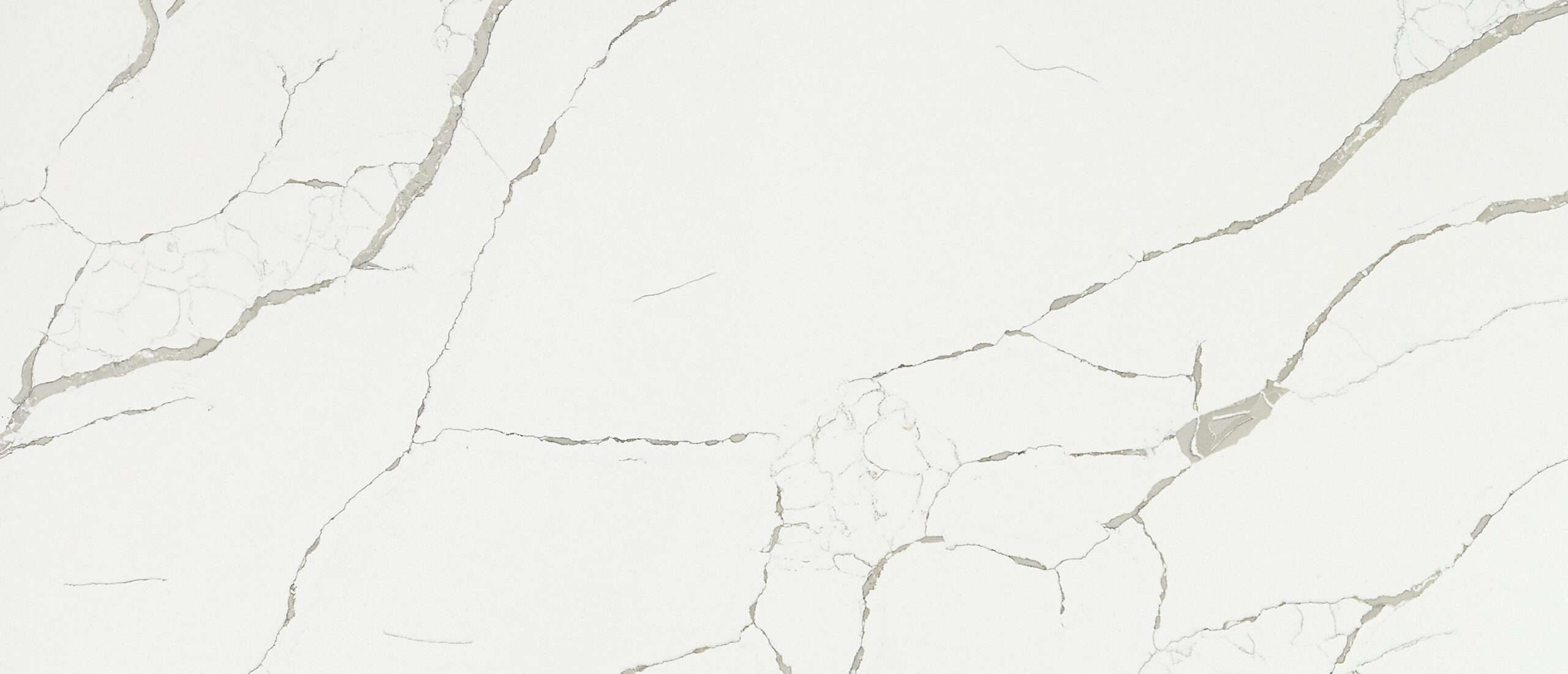
Calacatta Laza
MSI
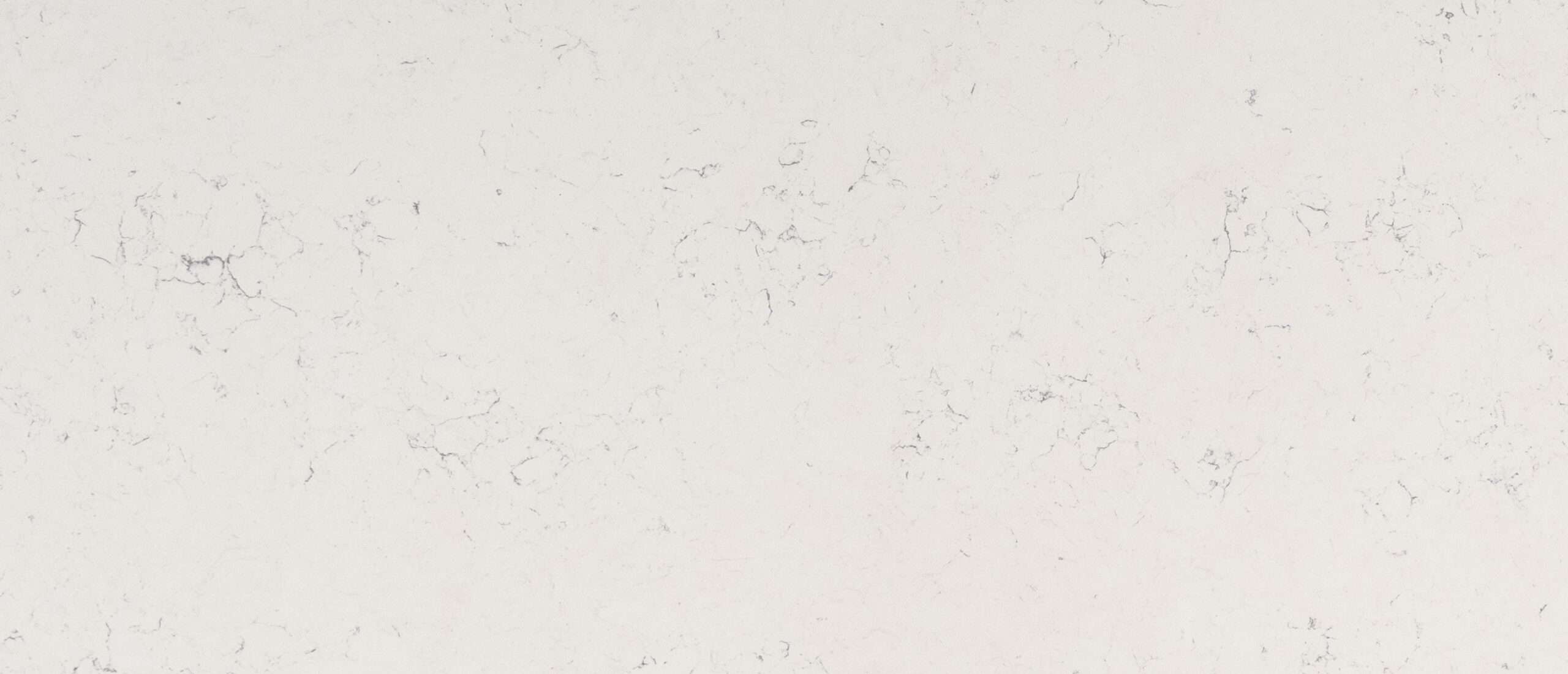
Carrara Marmi
MSI
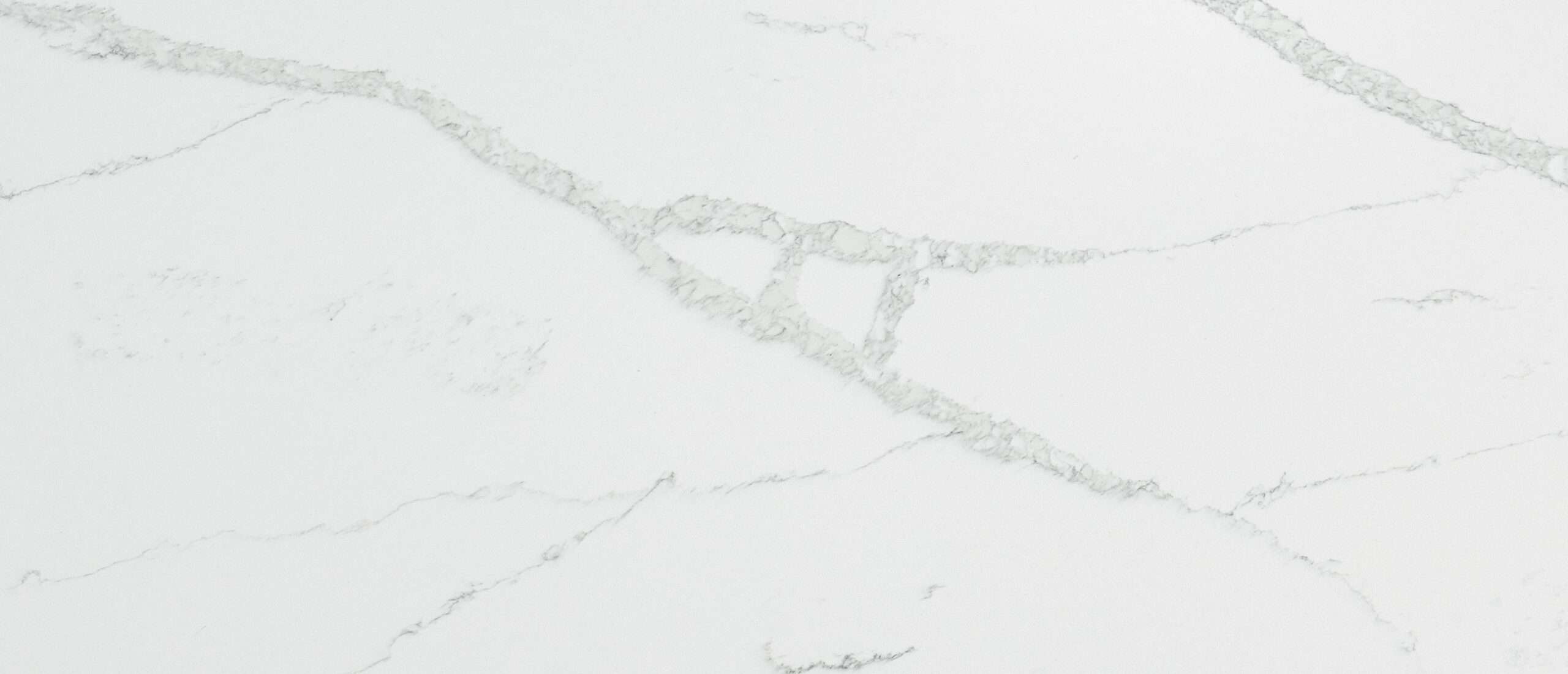
Calacatta Verona
MSI
How They Compare
Quartz vs Quartzite vs Granite vs Marble
The most common question we hear is what is the difference between quartz and quartzite? They sound similar — they are completely different materials.
| Material | Origin | Sealing | Heat | Stains | Look |
|---|---|---|---|---|---|
| Quartz | Engineered | Never | Use trivet | Excellent | Uniform, predictable |
| Quartzite | Natural stone | Annual | Heat-tolerant | Good (when sealed) | Dramatic veining |
| Granite | Natural stone | Every 1-3 yrs | Heat-tolerant | Good (when sealed) | Speckled, varied |
| Marble | Natural stone | Every 6-12 mo | Heat-tolerant | Etches easily | Classic, soft veining |
Quartz wins on maintenance. Quartzite and marble win on visual drama. Granite wins on durability under heat.
Care and Maintenance
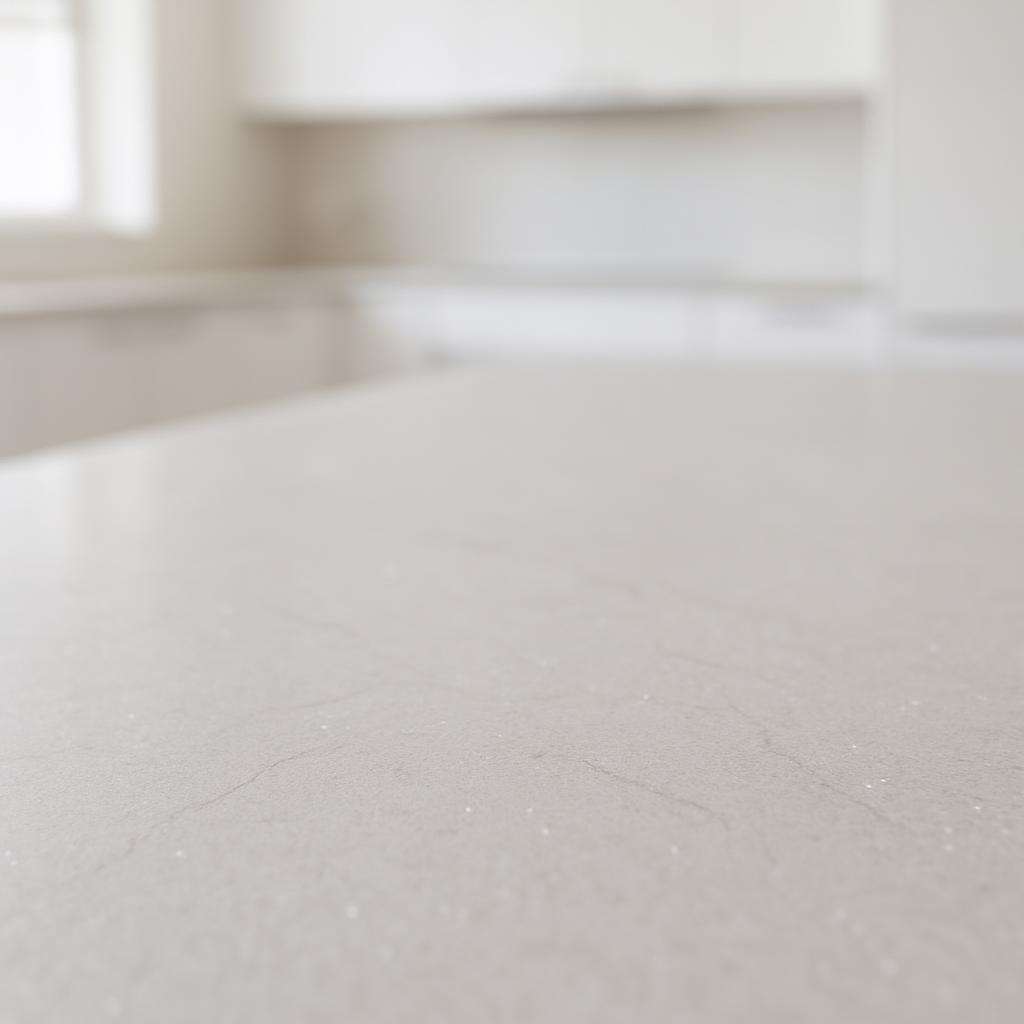
The Simplest Care Routine of Any Premium Counter
Warm water, mild dish soap, and a soft cloth handle every day. For tougher cleaning, we recommend Miracle Sealants Quartz Clean & Shine or Granite Gold Quartz Cleaner. Use a trivet for hot pans. Avoid bleach, ammonia, and harsh solvents. That is the entire routine.
Why Impact
Quartz Done Right Starts at the Shop
Quartz is the easiest material to install poorly. The hard part is doing it right. As a boutique Columbus fabricator, we plan every quartz install with Slabsmith digital templating before any cuts — laying out seam placement, sink cutouts, and edge details for review on screen. Our Park Industries CNC handles the precision work: mitered edges on waterfall islands, integrated drains, and pattern-matched seams. Every install ends with a white-glove walkthrough, because quartz is forgiving on stains but unforgiving on bad seams.
We carry 13 quartz brands — Mont, MSI, HanStone, Viatera, Silestone, Caesarstone, Valiant, Envy, Vadara, LG, Wilsonart, Optra, and Revolux — so when a Columbus client in Upper Arlington, New Albany, Dublin, Bexley, Powell, or Worthington has a specific color in mind, the answer is usually yes. We are honest about when quartzite or marble is the better answer for a given room. Discerning homeowners and designers appreciate the straight talk.
Frequently Asked
Quartz Countertops FAQ
Is quartz better than granite or marble?
Better is the wrong word — different. Quartz wins on maintenance and stain resistance. Granite and marble win on visual drama, heat tolerance, and the geological authenticity some buyers want. Quartzite splits the difference. The right material depends on how you cook, host, and clean.
Does quartz scratch or chip?
Quartz is very scratch-resistant — harder than granite. It will not scratch from knives in normal use, though cutting boards are still good practice. Chips can occur at unsupported edges if hit hard, but they are rare.
Can you put hot pans on quartz countertops?
No. The polymer resin that makes quartz stain-proof is heat-sensitive. Sudden high heat can scorch, discolor, or crack the surface. Always use a trivet, hot pad, or potholder.
Can quartz countertops be used outdoors in Ohio?
Most quartz brands do not recommend outdoor use. UV exposure can yellow the resin over time, and Ohio freeze-thaw cycles add stress. For outdoor kitchens, quartzite, granite, or UV-rated porcelain are better choices.
What is the difference between quartz and quartzite?
Quartz is engineered: crushed natural quartz bound with polymer resin in a factory. Quartzite is natural stone: solid rock cut from a quarry. Quartz is uniform and non-porous; quartzite is geological with dramatic veining and needs sealing.
What is the lifespan of a quartz countertop?
Properly fabricated and installed, a quartz countertop will last 30 to 50 years or more — the life of the kitchen. Most premium brands carry 15-year to lifetime residential warranties against manufacturing defects.
Does Impact Countertops install quartz outside Columbus?
Yes. We serve the greater Columbus area including Upper Arlington, Dublin, Powell, New Albany, Bexley, and Worthington, plus surrounding Central Ohio luxury home markets.
Ready to Begin
Start Your Quartz Countertop Project
Visit our showroom, browse slabs at the yard, and get a fixed quote on your kitchen, bath, or commercial quartz project. No-pressure consultations across Columbus and Central Ohio.